

Impulsat per l’onada global de la modernització agrícola, La producció agrícola es transforma ràpidament des del treball manual tradicional fins a operacions altament mecanitzades i intel·ligents. Des de vastes terres de conreu equipades amb sistemes de reg automatitzats fins a dispositius de control climàtic en hivernacles intel·ligents, i equips d'alimentació automatitzats a les granges ramaderes, cada etapa de la producció agrícola eficient es basa en una potència estable i una transmissió de senyals. Entre bastidors, els cables agrícoles serveixen com a "enllaç d'alimentació invisible" que connecta les fonts d'alimentació als equips i dispositius per controlar els sistemes, jugant un paper insubstituïble i vital.
Aquest article ofereix un professional, anàlisi en profunditat dels cables agrícoles en l'agricultura moderna, que cobreixen les seves aplicacions, característiques clau, criteris de selecció, essencials de manteniment, i tendències futures de desenvolupament. Té com a objectiu oferir una orientació tècnica integral als professionals de l'agricultura, proveïdors d'equips, i les parts interessades de la indústria a Europa i l'Àfrica francòfona.
1. Diversos escenaris d'aplicació per a cables agrícoles
1.1 Sistemes de reg de terres de cultiu
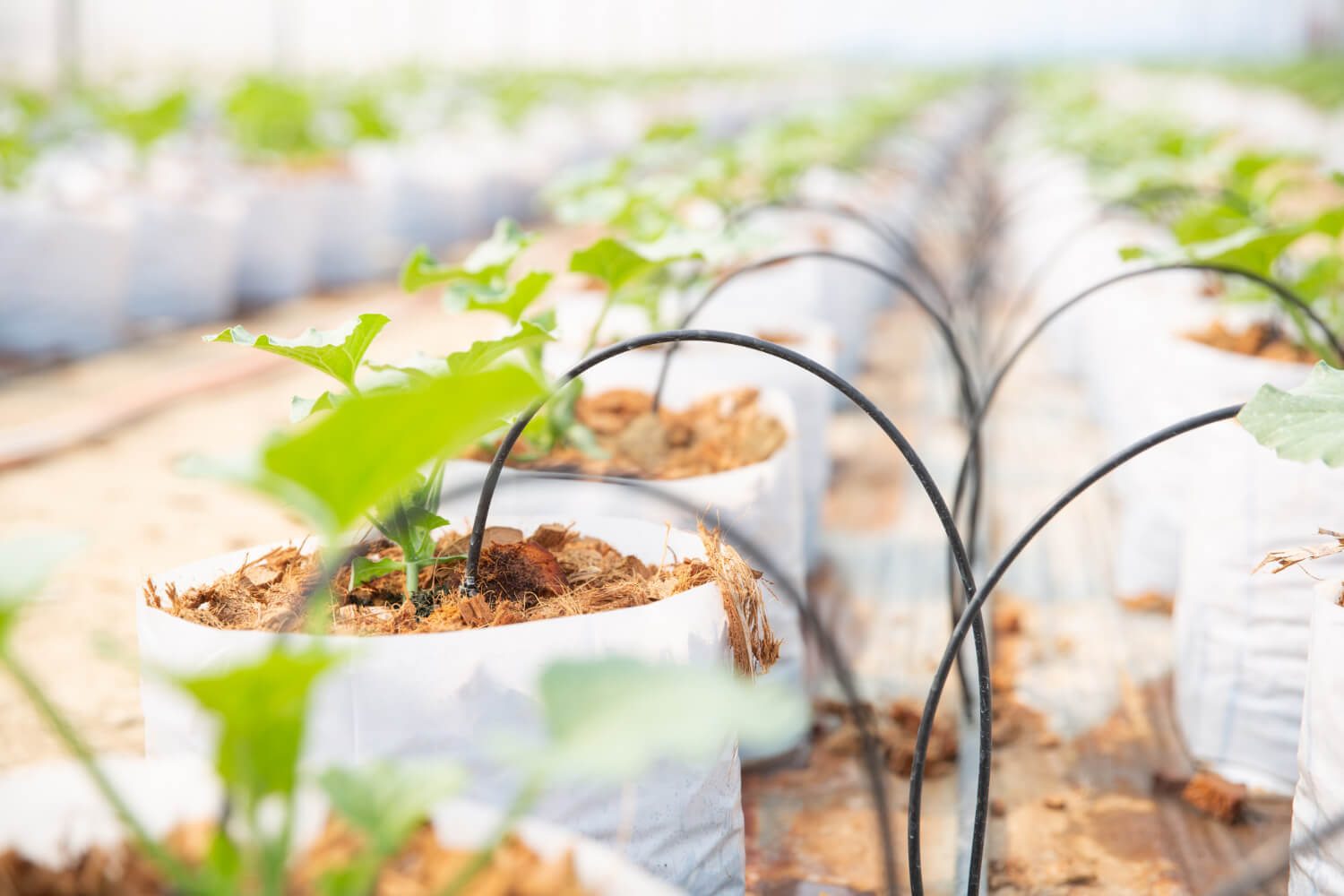
Els sistemes de reg de terres de conreu són una de les àrees d'aplicació clau dels cables agrícoles. En equips de reg per aspersió i degoteig, els cables agrícoles tenen un paper crucial en el subministrament d'energia elèctrica des de la font principal a les bombes, electrovàlvules, i altres dispositius. Les bombes d'aigua reben energia a través de cables per extreure i pressionar l'aigua de la font, satisfer les demandes dels diferents mètodes de reg. Vàlvules solenoides, guiat per ordres del sistema de control, rebre senyals mitjançant cables per obrir o tancar amb precisió, assegurant un control precís del cabal d'aigua.
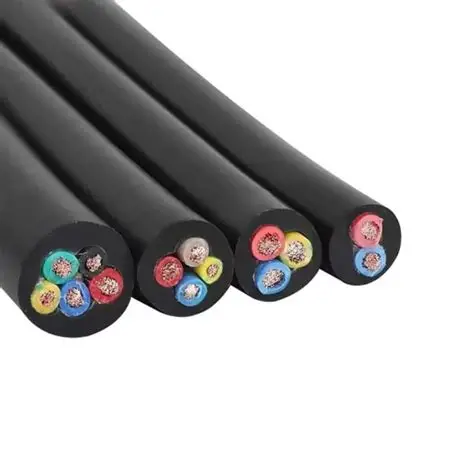
Normalment, per a bombes de reg de gran potència, el Cable de goma flexible RVV és una opció popular per la seva excel·lent resistència a la intempèrie i resistència a l'abrasió, fent-lo molt adequat per a les complexes condicions exteriors de les terres de cultiu. Per a la transmissió del senyal de control a dispositius més petits com les vàlvules solenoides, Es recomana el cable blindat RVVP, ja que resisteix eficaçment les interferències electromagnètiques, assegurant una transmissió estable del senyal.
En sistemes intel·ligents de control de reg, els cables de transmissió de senyal juguen un paper indispensable. Dispositius com els sensors d'humitat del sòl i les estacions meteorològiques recullen dades contínuament i les transmeten a un sistema de control central mitjançant cables de senyal. Després de l'anàlisi de dades, el sistema de control envia instruccions a través dels cables a l'equip de reg, permetre un reg automatitzat i precís. Aquests sistemes de reg intel·ligent no només milloren l'eficiència dels recursos hídrics, sinó que també redueixen els costos laborals, donar suport als objectius de conservació d'aigua i estalvi d'energia en l'agricultura moderna.
1.2 Hivernacles Agrícoles
Diversos dispositius de control ambiental dins dels hivernacles agrícoles es basen en cables agrícoles per a una font d'alimentació estable. En sistemes de climatització, dispositius de calefacció com ara cables de calefacció elèctrics i bufadors d'aire calent, així com equips de refrigeració com ventiladors i motors de cortina d'aigua, tots requereixen connexions elèctriques fiables per mantenir temperatures òptimes per al creixement dels cultius. Per alimentar equips de control de temperatura d'hivernacle, el cable de goma H07RN8-F, conegut per la seva excel·lent resistència al fred, és ideal, mantenint la flexibilitat i el rendiment elèctric fins i tot a baixes temperatures. Per a equips d'ajust de la il·luminació com ara llums de creixement, el cable rodó H05VV-F aïllat i envoltat de PVC satisfà les necessitats de transmissió d'energia de manera eficaç.
Els dispositius de control de la il·luminació també depenen molt dels cables agrícoles. Les llums de creixement complementen la llum natural quan la llum solar és insuficient, mentre que els motors de xarxa d'ombra ajusten automàticament l'obertura i el tancament de les xarxes d'ombra en funció de la intensitat de la llum. L'alimentació d'aquests dispositius està garantida per cables duradors. A més, dispositius de control d'humitat com humidificadors i deshumidificadors, així com dispositius de control de gas com els generadors de CO₂, confieu en una potència estable subministrada a través de cables per mantenir condicions òptimes d'hivernacle en tot moment.
1.3 Ramaderia
En ramaderia, els cables agrícoles s'utilitzen en múltiples etapes de producció. Els sistemes d'il·luminació a les explotacions ramaderes proporcionen condicions de llum adequades per garantir el creixement i la reproducció normals de les aus de corral i el bestiar. Els equips de ventilació s'alimenten a través de cables per mantenir la circulació d'aire a l'interior dels graners, reduint la concentració de gasos nocius com l'amoníac i el sulfur d'hidrogen. Per subministrar energia als sistemes d'il·luminació i ventilació de les granges, Cables de goma flexibles H07RN-F, conforme a l'IEC 60502 estàndards, s'utilitzen habitualment. Aquests cables ofereixen propietats ignífugues i resistents al foc, garantint eficaçment la seguretat elèctrica a les instal·lacions ramaderes.
Equips de processament de pinsos i alimentació automàtica, que sovint requereixen moviments freqüents, pot beneficiar-se dels cables de goma resistents YC, que suporten l'arrossegament i l'abrasió freqüents. Des de picadores i mescladores d'alimentació fins a alimentadors automàtics, totes aquestes màquines es basen en una transmissió d'energia estable per mantenir un bon funcionament. Les bombes d'aigua i les vàlvules en els sistemes d'abreujament del bestiar també depenen de cables fiables per garantir un subministrament constant d'aigua dolça per als animals.. A més, sistemes de vigilància i control ambiental, incloent sensors de temperatura i humitat i detectors de gas amoníac, transmetre dades als centres de monitorització mitjançant cables de senyal, permetent el seguiment ambiental en temps real i el control intel·ligent de les condicions de la granja.
1.4 Elaboració de Productes Agraris
El processament de productes agrícoles exigeix l'estabilitat i la fiabilitat de l'alimentació. Equip d'assecat de grans, per exemple, requereix una potència contínua i estable per assegurar un assecat uniforme i evitar la floridura i el deteriorament. Rentat de fruites i verdures, classificació, i màquines d'envasat, així com línies de processament de carn i lactis, tots depenen de cables agrícoles per oferir una potència consistent i robusta, assegurant que les operacions de processament funcionin de manera eficient i sense interrupcions.
En línies de processament agrícoles, Els cables d'alimentació aïllats i revestits de PVC NYY s'utilitzen àmpliament per transmetre potència a equips d'alta capacitat. Aquests cables ofereixen una gran capacitat de transport de corrent i són adequats per a instal·lacions interiors i exteriors, especialment en escenaris de cablejat fix. Per a sistemes de classificació i altres equips que requereixen una transmissió estable del senyal, Els models internacionals àmpliament utilitzats com els cables de control blindats LiYCY o els cables de comunicació RS-485 garanteixen una transferència de dades estable i una excel·lent resistència a les interferències, donar suport al funcionament precís dels sistemes de classificació i automatització.
1.5 Aplicacions d'IoT agrícoles
Amb el ràpid desenvolupament de les tecnologies IoT agrícoles, els cables agrícoles tenen un paper cada cop més vital tant en la transmissió de dades com en l'alimentació dels equips. Humitat del sòl, temperatura, i els sensors de nutrients transmeten les dades recollides a plataformes de núvol mitjançant cables de senyal, proporcionant una base sòlida per a la presa de decisions sobre l'agricultura de precisió. La font d'alimentació i transmissió de dades per a les estacions meteorològiques, així com la transmissió de potència i senyal per a càmeres de monitorització remota, tots depenen del suport estable de cables agrícoles.
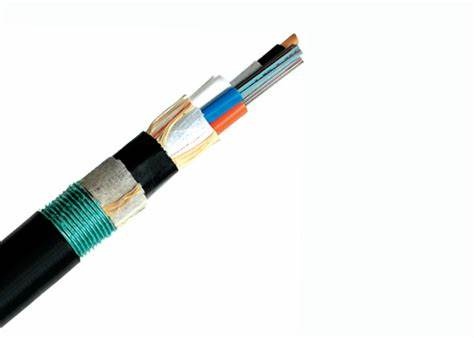
Els sistemes d'IoT agrícoles utilitzen cables per construir un pont entre el món físic i el digital, permetre una gestió intel·ligent de les explotacions agrícoles. Per transmetre dades del sensor, Els cables d'ordinador DJYPVP s'utilitzen habitualment gràcies al seu excel·lent rendiment de blindatge, que minimitza eficaçment les interferències durant la transmissió del senyal. Per alimentar estacions meteorològiques i dispositius similars, Es recomanen cables d'alimentació blindats de cinta d'acer N2XBY. Aquests cables proporcionen una protecció mecànica robusta i una excel·lent adaptabilitat al medi ambient, Millorar la durabilitat i la seguretat d'instal·lacions fixes en condicions exteriors complexes.
2. Característiques especials essencials necessàries per a cables agrícoles
2.1 Resistència a la intempèrie
Els entorns de producció agrícola són complexos i en constant canvi, de manera que els cables han d'oferir una excel·lent resistència a la intempèrie. Quan s'utilitza a l'exterior, Els cables agrícoles necessiten una forta resistència als raigs UV per evitar l'envelliment i l'esquerda de la funda exterior a causa de l'exposició prolongada al sol. Al mateix temps, els cables han de tenir una bona alçada- i rendiment a baixa temperatura, mantenint un aïllament estable sense suavitzar-se ni deformar-se a altes temperatures, i romanent flexible en condicions de fred per evitar que es torni dur o trencadís. A més, Les capacitats fiables a prova d'aigua i a prova d'humitat són característiques essencials per als cables agrícoles. Ja sigui exposat a la pluja o submergit en aigua de reg, el rendiment del cable no s'ha de veure afectat. Per exemple, el cable de goma flexible d'ús general YZW i el cable de goma H07RN8-F esmentats anteriorment demostren una resistència a la intempèrie excepcional., fent-los aptes per a diferents condicions climàtiques.
2.2 Resistència a la corrosió
En explotacions agrícoles, els cables solen entrar en contacte amb fertilitzants, pesticides, i altres productes químics, així com substàncies corrosives com els residus animals a les explotacions ramaderes. Per tant, Els cables agrícoles han de tenir una excel·lent resistència a la corrosió. Els materials de la seva funda exterior haurien de suportar eficaçment l'erosió química per evitar l'envelliment prematur o danys que puguin comportar perills per a la seguretat.. Alguns cables es fabriquen amb materials especials de funda resistents a la corrosió; Per exemple, Els cables amb una funda exterior de PVC poden resistir eficaçment la corrosió química fins a cert punt.
2.3 Resistència a l’abrasió
Quan els cables es col·loquen a través de terres de cultiu o s'utilitzen amb equips agrícoles mòbils, inevitablement s'enfronten al desgast físic. Els cables agrícoles han de tenir una bona resistència a l'abrasió per suportar l'arrossegament freqüent, tirant, i fricció, assegurant que la funda del cable roman intacta i que els conductors interns no estiguin danyats. Això ajuda a mantenir la potència estable i la transmissió del senyal. El cable de goma resistent YC, per exemple, és altament resistent a l'abrasió, fent-lo ideal per utilitzar-lo en escenaris on l'equip es mou amb freqüència.
2.4 Flexibilitat
Els entorns de producció agrícola són diversos i complexos, requereixen que els cables s'encaminen i s'instal·lin en diversos terrenys i dissenys d'equips. La flexibilitat excel·lent permet que els cables es dobleguin fàcilment, adaptant-se a les diferents necessitats d'instal·lació. També permet que el cable es mogui sense problemes amb l'equip en funcionament, reduint el risc de danys per flexió o estirament excessiu. Els cables blindats RVVP i els cables d'ordinador DJYPVP són bons exemples de cables flexibles que són fàcils de col·locar i instal·lar en entorns agrícoles complexos..
2.5 Seguretat
La seguretat és un requisit bàsic per als cables agrícoles, ja que afecta directament la seguretat personal dels treballadors i el funcionament estable de les instal·lacions agrícoles. Pel que fa al rendiment d'aïllament, els cables agrícoles d'alta qualitat utilitzen materials d'aïllament avançats com el polietilè reticulat (XLPE) o clorur de polivinil (PVC). Aquests materials eviten eficaçment les fuites de corrent. Per exemple, Banc Social, N2XH FE180/E30~E90, N2XCH, o MI (Aïllament mineral) cables amb aïllament XLPE no només proporcionen un excel·lent aïllament elèctric, sinó que també mantenen l'estabilitat estructural a altes temperatures, prevenir fallades d'aïllament que puguin provocar una descàrrega elèctrica.
Segons la norma de seguretat elèctrica de la UE EN 60332, Els cables utilitzats a l'agricultura han de passar proves de resistència d'aïllament estrictes per garantir un rendiment d'aïllament segur fins i tot en condicions dures com ara humitat i altes temperatures..
El retard de flama és un altre aspecte crític de la seguretat del cable agrícola. En entorns com plantes de processament d'aliments o explotacions ramaderes, que poden ser propensos a risc d'incendi, Els cables ignífugs poden prevenir eficaçment la propagació del foc. Cables que compleixen amb IEC 60332-1 Els estàndards poden autoextingir-se quan s'exposen a flames obertes, aturar la crema sostinguda. Per exemple, en un cas de granja, un cable envellit va provocar un curtcircuit que va provocar un incendi. En zones amb cables ordinaris, el foc es va estendre ràpidament, mentre que a les zones on es van instal·lar cables ignífugs, el foc es va contenir ràpidament, minimitzant la pèrdua de propietat.
Per cables de transmissió de senyal, interferència electromagnètica (Emi) la capacitat de blindatge és crucial. En aplicacions d'IoT agrícoles, nombrosos sensors i dispositius intel·ligents funcionen simultàniament, que pot generar interferències electromagnètiques que interrompen la transmissió precisa del senyal. Cables com LiYCY, que presenten doble capa de blindatge, bloquejar eficaçment les interferències electromagnètiques externes, assegurant que les dades crítiques com la humitat i la temperatura del sòl es transmetin amb precisió al sistema de control. D'aquesta manera s'evita errors del sistema que podrien provocar un mal funcionament del sistema de reg o entorns d'hivernacle incontrolats. A més, alguns cables agrícoles de gamma alta estan equipats amb protecció de terra per reduir encara més el risc de descàrrega elèctrica i garantir la seguretat tant del personal com de l'equip..
Conclusió
A mesura que la producció agrícola segueix avançant cap a una major mecanització, intel·ligència, i la digitalització, el paper dels cables agrícoles d'alta qualitat esdevé cada cop més indispensable. Des de l'alimentació de sistemes de reg i hivernacles fins a donar suport a les explotacions ramaderes, instal·lacions de processament, i aplicacions d'IoT agrícoles intel·ligents, Els cables fiables són la línia de vida oculta que garanteix una transmissió estable d'energia i senyal a tots els enllaços de l'agricultura moderna.
Escollir els cables agrícoles adequats, amb una resistència provada a la intempèrie, Resistència a la corrosió, resistència a l'abrasió, flexibilitat, i estàndards de seguretat sòlids: és essencial per garantir un rendiment a llarg termini, eficiència operativa, i seguretat. En comprendre les aplicacions clau i els requisits tècnics, professionals de l'agricultura, proveïdors d'equips, i les parts interessades poden prendre decisions informades que ajudin a impulsar un desenvolupament agrícola sostenible i intel·ligent, especialment en entorns diversos i desafiants d'Europa i de l'Àfrica francòfona.
Invertir en cablejat agrícola de qualitat avui significa construir un més fort, més segur, i un futur agrícola més eficient.