
As renewable energy continues to gain momentum, its future will be shaped not just by technology, but by market forces, government policies, and collective action. In this follow-up article, we delve into the latest innovations, investment trends, and the role everyone—from governments to individuals—can play in powering a cleaner future.

Global Market Trends and Investments
The global renewable energy market is undergoing rapid expansion, driven by falling technology costs, government incentives, and increasing pressure to meet climate goals. Investment in clean energy has surged to record levels, signaling a fundamental shift in how nations plan for long-term energy sustainability and security.
1. Leading Countries in Renewable Energy Development
Several countries are emerging as global leaders in the deployment and innovation of renewable energy technologies:
- China: The world’s largest investor in renewables, particularly in solar and wind. China leads in solar manufacturing and accounts for a significant portion of global capacity additions.
- United States: A major player in both onshore and offshore wind energy, with growing momentum in utility-scale solar and green hydrogen projects.
- European Union: The EU has adopted some of the most ambitious climate policies, with countries like Germany, Spain, and Denmark setting benchmarks for renewable integration and smart grid modernization.
These regions are not only expanding capacity but also fostering innovation, supply chain development, and climate diplomacy.
2. Rapid Growth in Solar and Wind Capacity
Solar and wind power continue to dominate global renewable energy growth. According to the International Energy Agency (IEA), solar PV accounted for nearly 60% of all new renewable installations in 2023, driven by cost reductions and supportive policies.
Wind energy—particularly offshore—is seeing a wave of new projects across Asia, Europe, and North America. Floating wind technology is unlocking vast new marine areas for development, previously inaccessible with fixed foundations.
3. Government Incentives and Green Finance
Public policy is a major catalyst for market growth. Many governments have implemented:
- Feed-in tariffs (FiTs) and tax credits are used to encourage renewable deployment.
- Auctions and tenders are used to ensure competitive pricing and transparency.
- Green bonds and climate investment funds are being mobilized to mobilize capital for large-scale infrastructure.
In parallel, institutional investors are shifting portfolios toward ESG-compliant and low-carbon assets, creating additional momentum for renewable finance.
4. The Role of Developing Countries and Emerging Markets
Developing nations, particularly in Africa, South Asia, and Latin America, are becoming increasingly important players in the global renewable energy landscape:
- Many of these countries have abundant solar and wind resources.
- Off-grid and mini-grid solutions are providing electricity access to remote communities.
- Renewable projects are seen as a way to drive economic development and leapfrog fossil fuel dependency.
Organizations like the World Bank, the African Development Bank, and international development agencies are supporting capacity building and financing to accelerate this transition.
The renewable energy market is no longer a niche segment—it is a cornerstone of the global energy economy. With investment hitting record highs and technology advancing rapidly, the next decade will likely see even greater transformation across all regions.

VII. Renewable Energy and Climate Goals
As the world confronts the growing urgency of climate change, renewable energy has emerged as a central pillar in the fight to reduce greenhouse gas emissions and build a sustainable future. Achieving net-zero emissions by mid-century, as committed by many nations under the Paris Agreement, will be impossible without a large-scale transition to clean energy systems.
1. The Paris Agreement and Global Net-Zero Commitments
The Paris Agreement, adopted in 2015 by 196 countries, aims to limit global temperature rise to well below 2°C, preferably to 1.5°C, above pre-industrial levels. To reach this goal, countries have pledged to:
- Cut carbon emissions rapidly over the coming decades.
- Transition to carbon-neutral economies by around 2050.
- Submit and regularly update their Nationally Determined Contributions (NDCs).
Central to these climate pledges is a rapid and sustained increase in renewable energy adoption to replace fossil fuels in electricity generation, heating, and transportation.
2. Renewable Energy as a Decarbonization Tool
Renewables are critical in decarbonizing global energy systems. Electricity generation currently accounts for roughly 40% of global CO₂ emissions. Transitioning this sector to renewables can drastically reduce emissions. Key roles include:
- Phasing out coal and gas plants with solar, wind, hydro, and geothermal sources.
- Electrifying sectors like transport and buildings using clean electricity.
- Integrating renewables with smart grids, battery storage, and demand-side management to create a flexible, low-emissions power system.
According to the IEA, achieving net-zero by 2050 requires the share of renewables in electricity generation to reach around 90% globally.
3. Synergy with Transport and Industrial Electrification
Electrification of end-use sectors is crucial for climate goals—and renewable energy enables this shift to be truly green:
- Electric vehicles (EVs) reduce emissions only when powered by clean electricity.
- Heat pumps, powered by renewables, are replacing gas-fired heating in homes and commercial buildings.
- Green hydrogen, made from renewable electricity, offers a clean fuel alternative for hard-to-abate sectors such as steel, cement, and long-haul transportation.
Thus, renewable energy and climate change mitigation are deeply interlinked—one cannot be solved without advancing the other.
4. Monitoring Progress and Global Cooperation
To ensure accountability, nations and organizations are increasingly:
- Tracking emissions and energy data through platforms like the UNFCCC, IEA, and IRENA.
- Collaborating through initiatives like Mission Innovation, Clean Energy Ministerial, and RE100.
- Establishing regional frameworks such as the EU Green Deal, the U.S. Inflation Reduction Act, and China’s 14th Five-Year Plan for Renewable Energy.
The global push toward climate neutrality is aligning policy, finance, and innovation around the deployment of renewables at an unprecedented scale.
In summary, renewable energy is not just an option—it is the foundation for any credible climate strategy. Without it, the world cannot meet its net-zero targets or avoid the catastrophic consequences of unchecked climate change.

VIII. The Future of Renewable Energy
The global shift toward renewable energy is not just a trend—it represents a structural transformation of the world’s energy systems. As we look ahead to 2030, 2040, at 2050, the future of energy will be increasingly decentralized, digitized, and decarbonized. With technological progress and growing policy momentum, renewable energy will become the backbone of a sustainable global economy.
1. The Predicted Energy Mix by 2030–2050
According to the International Renewable Energy Agency (IRENA) and the International Energy Agency (IEA), the share of renewables in global electricity generation could rise from about 30% today to over 90% by 2050. Key forecasts include:
- Solar and wind are becoming the dominant electricity sources.
- Coal and oil are declining rapidly in favor of clean alternatives.
- Expansion of energy storage and green hydrogen to complement variable renewables.
This new energy mix will be cleaner, more secure, and economically sustainable, driven by lower costs and climate imperatives.
2. Role of Emerging and Disruptive Technologies
New energy technologies are reshaping what’s possible in the renewable space. Innovations expected to play a major role include:
- Green hydrogen: A zero-carbon fuel for industry, transport, and seasonal energy storage.
- Solar fuels: Technologies that convert sunlight directly into liquid fuels, offering carbon-free alternatives to diesel or aviation fuel.
- Next-generation batteries: Including solid-state and flow batteries that improve storage capacity and grid resilience.
- Carbon capture and utilization (CCU): Potentially paired with bioenergy (BECCS) to achieve negative emissions.
- AI and blockchain: For optimizing energy systems, forecasting demand, and enabling peer-to-peer energy trading.
These innovations will support a smarter, more flexible, and scalable energy system.
3. Decentralized and Community-Driven Energy Systems
The energy transition is also becoming more localized. Communities, cities, and even individual households are increasingly generating and managing their own energy through:
- Rooftop solar installations
- Microgrids in rural or disaster-prone areas
- Energy cooperatives and local utility models
- Virtual power plants (VPPs) that aggregate distributed energy resources
This decentralized approach empowers consumers, enhances energy resilience, and democratizes energy access—especially in underserved regions.
4. International Cooperation and Green Transition Strategies
Achieving a global clean energy future requires strong international collaboration. Key components include:
- Cross-border energy trade, such as Europe’s interconnected wind and solar grid or Africa’s renewable power corridors.
- Technology transfer and capacity building in developing countries.
- Joint research and investment initiatives through forums like Mission Innovation, Clean Energy Ministerial, and the Global Power System Transformation Consortium (G-PST).
- Coordinated policy alignment to accelerate the shift away from fossil fuels.
The success of the energy transition by 2050 will depend not just on technology, but on diplomacy, equity, and global solidarity.
In essence, the future of renewable energy is bright and transformative. With the right mix of innovation, investment, and inclusive policy, renewables will not only replace fossil fuels—they will redefine how we produce, consume, and share energy in a just and sustainable way.
IX. What Can Individuals and Businesses Do?
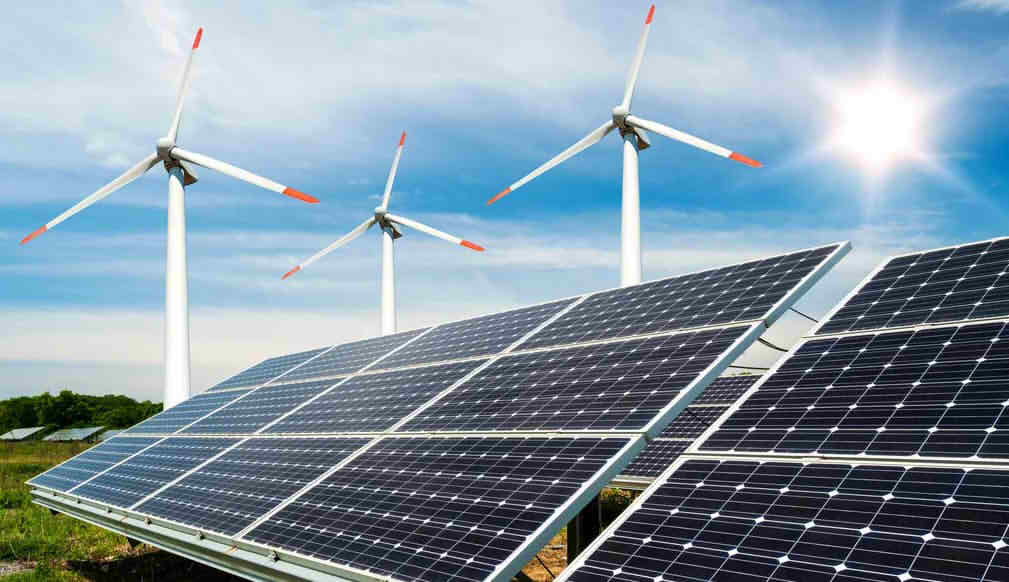
While large-scale policies and technologies are crucial to the energy transition, the shift to renewable energy also depends on the choices made by individuals and businesses. Everyone has a role to play in building a more sustainable and climate-resilient future. By supporting clean energy initiatives, adopting sustainable business practices, and making informed lifestyle changes, both consumers and corporations can become powerful agents of change.
1. Switch to Green Electricity Providers
One of the most impactful steps individuals and businesses can take is to switch to renewable electricity providers. Many utility companies now offer:
- 100% renewable energy plans powered by solar, wind, or hydro.
- Community solar programs allow households to subscribe to shared solar projects without installing panels.
- Renewable energy certificates (RECs) are used to offset conventional electricity use with verified green energy purchases.
This simple switch reduces your carbon footprint and increases market demand for clean power.
2. Install Solar Panels and On-Site Renewables
For homeowners and businesses with physical space, investing in on-site renewable energy systems offers long-term savings and energy independence. Popular options include:
- Rooftop solar panels are increasingly affordable and eligible for tax credits or rebates.
- Solar water heating systems are especially popular in sunny climates.
- Small-scale wind or hydro systems, where geography permits.
In addition to cost savings, these systems provide backup power and contribute to grid resilience.
3. Support ESG and Green Investments
Individuals and organizations can align their finances with climate values through environmental, social, and governance (ESG) investing. Strategies include:
- Choosing mutual funds or ETFs that focus on renewable energy companies.
- Divesting from fossil fuels in retirement or institutional portfolios.
- Supporting green bonds and impact investment funds that finance renewable infrastructure.
These choices send a strong market signal that sustainability and profitability can go hand in hand.
4. Adopt Corporate Sustainability Strategies
Businesses—large and small—play a pivotal role in the renewable energy transition. Forward-thinking companies are:
- Committing to net-zero emissions and joining initiatives like RE100 (100% renewable electricity).
- Installing on-site solar arrays or signing power purchase agreements (PPAs) with renewable energy producers.
- Electrifying fleets and adopting energy-efficient technologies.
- Conducting life-cycle assessments and reducing Scope 1, 2, at 3 emissions.
These efforts not only reduce environmental impact but also enhance brand reputation, attract investors, and comply with evolving regulations.
5. Raise Awareness and Advocate for Policy Change
Every voice matters. Individuals and organizations can further accelerate the clean energy shift by:
- Educating others about the benefits of renewable energy.
- Supporting climate-friendly policies and voting for leaders who prioritize sustainability.
- Partnering with NGOs, climate coalitions, or local energy initiatives.
- Participating in community efforts such as energy cooperatives, green building projects, or sustainability councils.
Advocacy and public engagement amplify the social momentum behind the energy transition.
In short, supporting renewable energy is no longer limited to governments and utilities. Through conscious decisions and strategic investments, individuals and businesses alike can contribute to a cleaner, more equitable energy future.
X. Pangwakas na Salita: Powering the Future with Renewable Energy
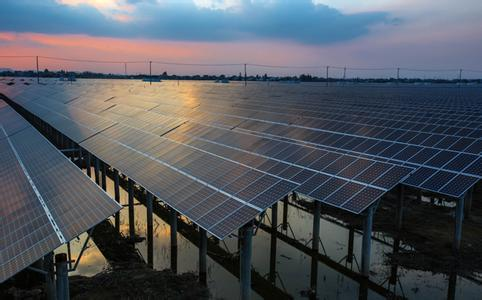
As the world faces rising energy demands, climate instability, and finite fossil fuel reserves, renewable energy stands out as our most powerful solution. It is clean, abundant, scalable—and increasingly affordable. From solar and wind to hydropower, biomass, geothermal, and emerging innovations like green hydrogen, renewables are reshaping the global energy landscape.
Throughout this article, we have explored:
- The definition and diverse types of renewable energy
- Their environmental and economic benefits
- The challenges and technological advancements shaping the transition
- Global market trends, investment flows, and climate goals
- The crucial roles of individuals and businesses in accelerating progress
But perhaps the most important message is this: the future of energy is not predetermined—it’s a choice.
We are living in a pivotal decade where decisions made by governments, corporations, and everyday citizens will determine whether we move toward a sustainable, net-zero future—or remain locked in a cycle of ecological and economic instability.
The good news? The tools and technologies already exist. The momentum is building. And the opportunities for innovation, job creation, equity, and resilience have never been greater.
Now is the time to act.
- Invest in clean power.
- Support bold policies.
- Innovate for impact.
- And choose a future powered by renewable energy.
Magkasama, we can make the clean energy transition not just a goal, but a global reality.