
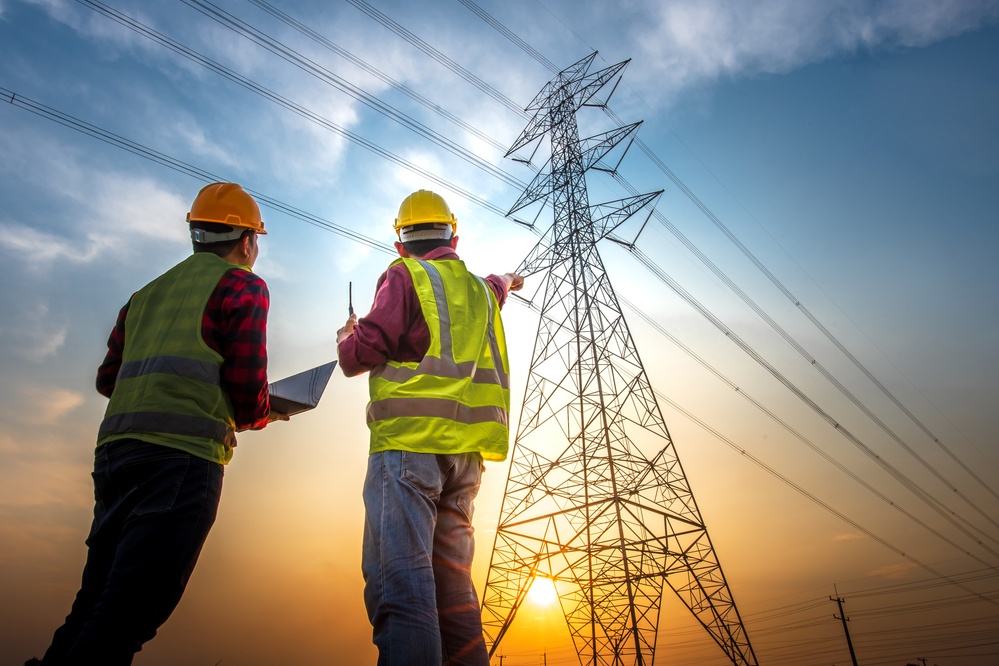
Pêşkêş: Girîngiya Endezyariya Elektrîkê û Rola Kabloya ZMS
endezyariya elektrîkê, wek kevirê bingehîn ê civaka modern, di jiyana me ya rojane de bi kûrahî ve girêdayî ye, hilberîna pîşesaziyê, û pêşketinên teknolojîk, pir dişibihe jîyana cîhana me. Ji dabînkirina hêza malê heya otomasyona pîşesaziyê ya tevlihev, ji ragihandina mobîl bigire heya lêgerîna fezayê, endezyariya elektrîkê li her derê heye, ajotina mekanîzmayên ku cîhana me dimeşîne. Ew ne tenê piştgirî dide pêşkeftina aborî lê di heman demê de pir bandor li kalîteya jiyana me jî dike.
Di vê qada girîng de, kabloyan wekî kar dikin “damar” ku pergalên elektrîkê girêdide. Girîngiya wan nayê zêde kirin. Kabloyên kalîteya bilind veguhestina heyî ya domdar piştrast dikin, piştgiriya xebata rast a alavên, û, ya herî girîng, ewlekariya mirov û mal û milk garantî bike.
Wek dabînkerê kabloyê profesyonel, ZMS Cable bi peydakirina performansa bilind ve girêdayî ye, emîn, û hilberên kabloyê yên pêbawer ku hewcedariyên endezyariya elektrîkê bicîh bînin û beşdarî pêşkeftina pîşesaziyê bibin.
Ev gotar dê we di nav bingehên endezyariya elektrîkê de rêwîtiyek berfireh bigire, lêkolînkirina pêkhateyên bingehîn, analîzkirina deverên serîlêdanê yên sereke, û li pêş meylên pêşerojê digerin. Di heman demê de ew ê avantajên hilberên ZMS Cable û serîlêdanên wan di nav sektorên cihêreng de jî ronî bike, ji xwendevanan re dibe alîkar ku têgihiştinek kûr a endezyariya elektrîkê û rola bingehîn a ku ji hêla ZMS Cable ve tê lîstin bistînin.
Werin em bi hev re sirên endezyariya elektrîkê derxin holê û bibînin ka ZMS Cable çawa pêşerojê girêdide, rê li ber pergalên elektrîkê yên ewletir û bikêrtir vedike.
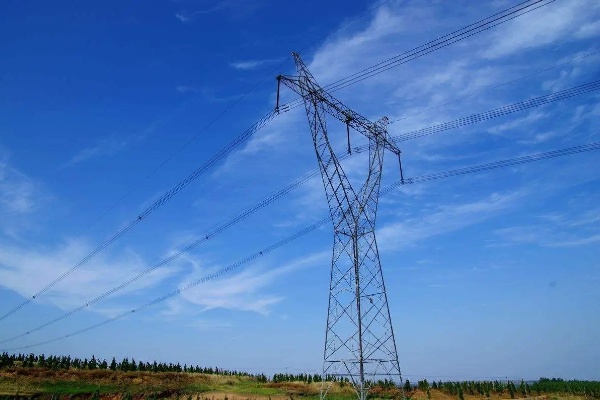
Prensîbên Bingehîn ên Endezyariya Elektrîkê: Sirên Elektrîk û Magnetîzmê
Di dilê endezyariya elektrîkê de têgihiştinek kûr û serîlêdana elektrîk û magnetîzmê heye. Serweriya van prensîbên bingehîn ji bo têgihîştina pergalên elektrîkê yên tevlihev girîng e.
Vêga, Woltî, û Berxwedan
Hêza elektrîkê (ez) behsa herikîna arasteyî ya bara elektrîkê dike, bi amperan tê pîvandin (YEK). Mezinahiya herikê mîqdara barkirina ku di çarçoweya xaçerêya gerîdokek di yekîneya demê de derbas dibe destnîşan dike.. Niha bingeha veguhestina hêzê ye.
Woltî (U) xebata ku ji hêla qada elektrîkê ve ji bo barkirina yekîneyek erênî tê kirin, bi voltan tê pîvandin (V). Voltage wekî tîrêjê tevdigere “hêza ajotinê” pişta niha, xurtbûna wê diyar dike.
Berxwedan (R) muxalefetek e ku derhênerek ji herikîna herikê re pêşkêş dike, bi ohms tê pîvandin (Oh). Nirxa berxwedanê bi materyalê ve girêdayî ye, dirêjî, û qada cross-section of conductor.
Zagona Ohm formula klasîk e ku têkiliya di navbera niha de diyar dike, woltî, û berxwedan: U = ez × R. Ev tê wê wateyê ku niha rasterast bi voltajê re û berevajî bi berxwedanê re têkildar e. Têgihiştina Zagona Ohm ji bo analîzkirina tevgera bingehîn a dorhêlên elektrîkê girîng e.
Bo nimûne, çerxa sade dibe ku ji pîlê pêk were, ampûlek, û têlên girêdanê. Pîlê voltaja peyda dike, ku niha di nav çerxê de dimeşîne. Lampa berxwedanê heye, sînorkirina niha û veguhertina enerjiya elektrîkê bo ronahiyê. Têl wekî rêyên heyî tevdigerin, bi gelemperî berxwedanek berbiçav pêşkêşî dike.
Induction Electromagnetic
Inductiona elektromagnetîk fenomenek sereke ye ku têkiliya di navbera elektrîkê û magnetîzmê de nîşan dide. Qanûna Faraday ya Induction Electromagnetic vê prensîbê diyar dike:
Dema ku herikîna magnetîkî ya di nav hêleke girtî de diguhere, hêzeke elektromotîv (EMF) di lûkê de tê çêkirin.
Bi gotineke din, zeviyek magnetîkî ya guherbar dikare an çêbike qada elektrîkê, ku di encamê de herikîna elektrîkê çêdike. Ev prensîb bi berfirehî di veguherîner û jeneratoran de tê bikar anîn.
Transformer induksiyonek elektromagnetîk bikar tîne da ku voltaja herika alternatîf biguhezîne (AC). Ew ji kulikek bingehîn û duyemîn pêk tê. Dema ku AC di kulika bingehîn re derbas dibe, ew zeviyek magnetîkî ya cihêreng diafirîne ku voltajekê di kulika duyemîn de çêdike.
Generatorek enerjiya mekanîkî bi karanîna induksiyona elektromagnetîk vediguherîne enerjiya elektrîkê. Çawa ku kulmek di nav zeviyek magnetîkî de dizivire, guheztina herikîna magnetîkî EMFek çêdike, hilberîna a niha.
Paşî, induksiyona elektromagnetîk jî ji bo afirandina pêlên elektromagnetîk bingehîn e, cihê ku guherîna zeviyên elektrîkê û magnetîkî bi hev re belav dibin, veguheztina agahdariya bêtêl çalak dike.
Circuit Analysis
Analîzkirina çerxê rêbazek girîng e ji bo têgihiştina ka çerx çawa tevdigerin û tevdigerin.
Di çarçoveya rêzê de, hemû pêkhate bi rêzê ve girêdayî ne, û niha li seranserî heman e. Berxwedana tevahî hevberdana berxwedanên takekesî ye.
Di çarçoveya paralel, pêkhateyên li kêleka hev girêdayî ne, û voltaja li ser her şaxê yek e. Berovajîkirina berxwedana tevahî hevberî hevberdana berxwedanên takekesî ye.
Qanûnên Kirchhoff du qaîdeyên bingehîn ên ji bo analîzkirina çerxê ne:
Qanûna Niha ya Kirchhoff (KCL): Berhevoka herikên ku dikevin girêkekê, bi kombûna herikên ku jê derdikevin re ye.
Qanûna Voltaja Kirchhoff (KVL): Serjimara daketina voltaja li dora her hêleka girtî ya di çerxekê de sifir e.
Bi analîza çerxa, endezyar dikarin niha hesab bikin, woltî, û hêz di nav çerxeyan de, şert û mercên xebatê analîz bikin, xeletiyan nas bike, û pergalên elektrîkê yên fonksiyonel û ewledar sêwirînin.

Parçeyên sereke yên Endezyariya Elektrîkê: Cables, Switches, Transformers
Endezyariya elektrîkê ji cûrbecûr hêmanan pêk tê ku bi hev re dixebitin ku pergalên elektrîkê yên tevlihev ava bikin. Di nav wan de, Kabes, switches, û transformer blokên avakirina bingehîn in.
Cables: Hêza bingehîn a kabloya zms
Kablo ji bo veguheztina enerjiya elektrîkê û sînyalan hilgir in - ew "damarên xwînê" yên pergala elektrîkê ne..
Pênase û Tesnîfkirina Kabloyan
Kabloyek ji yek an çend rêgirên ku bi hev veqetandî ne pêk tê, ji bo veguheztina hêza elektrîkê an îşaretan tê bikar anîn. Li ser serîlêdana wan, kablo dikare di çend celeban de bêne dabeş kirin:
Kabloyên Hêzê: Ji bo veguhestina enerjiyê tê bikaranîn, bi gelemperî rêjeyên voltaja bilind û kapasîteya hilgirtina niha vedihewîne.
Kabloyên Ragihandinê: Ji bo veguhestina deng tê bikaranîn, jimare, û sînyalên vîdyoyê, têlên telefonê jî tê de, kabloyên torê, û kabloyên fiber optîk.
Kabloyên Kontrolê: Ji bo veguhestina sînyalên kontrolê tê bikar anîn, rêberiya xebata amûr an pergalê.
Kabloyên taybet: Ji bo derdorên taybetî hatine çêkirin, wek kabloyên germahiya bilind, kabloyên berxwedêr ên korozyonê, kabloyên waterproof, etc.
Structure of a Cable Tîpîkî
Kabloyek tîpîk ji beşên jêrîn pêk tê:
Serek: Ji sifir an aluminiumê tê çêkirin, ji bo derbaskirina niha tê bikaranîn.
Layer Insulasyonê: Ji lastîk hatiye çêkirin, pîlastîk, an jî malzemeyên îzolekirinê yên din ji bo îzolekirina rêgirên û pêşîlêgirtina levkirinê.
Layera parastinê: Destwerdana elektromagnetîka derveyî asteng dike an jî tîrêjên elektromagnetîk ên hundurîn asteng dike.
Layera kelê: Ji lastîk an plastîk hatiye çêkirin, pêkhateyên navxweyî ji zirara hawîrdorê ya derve diparêze.
Avantajên Berhemên Cable ZMS
Wek dabînkerê kabloyê profesyonel, ZMS Cable bi qalîteya hilberê xwe radiweste, nûjeniya teknolojîk, û xizmetê:
Hilbijartina materyalê: Gerîdeyên sifir û aluminium-a-kalîteyê bikar tîne da ku guheztin û aramiya hêja peyda bike. Materyalên însulasyon û kelûmê jîngehê dostane û domdar in, ji bo sepanên cihêreng hatî çêkirin.
Pêvajoya Hilberînê: Amûr û pêvajoyên hilberîna pêşkeftî bi kar tîne da ku hevgirtin û kalîteya hilberê garantî bike. Her gav pêvajoya hilberînê bi hişkî tê kontrol kirin da ku lihevhatina bi standardên têkildar re misoger bike.
Kontrola Kalîteyê: Pergalek rêveberiya kalîteyê ya bihêz ceribandina bêkêmasî ya madeyên xav misoger dike, berhemên nîv-qediyayî, û qedand Kabes. Her kablo bi standardên neteweyî û pîşesaziyê re tevdigere û li gorî hewcedariyê dikare were xweş kirin.
Sertîfîkaya Ewlekariyê: Hilber bi CCC ve têne pejirandin, CE, UL, û standardên din ên ewlehiyê yên navneteweyî.
Customization: zmscable li ser bingeha taybetmendiyên xerîdar çareseriyên kabloyê yên lihevhatî pêşkêşî dike.
Piştgiriya Teknîkî: Şêwirmendiya pispor peyda dike, rêberiya hilbijartina hilberê, û şîreta sazkirinê.
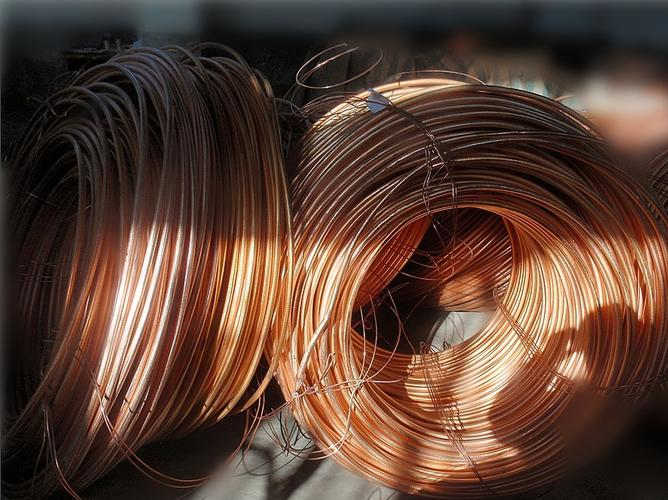
Pêşniyarên Hilbijartina Cable Ji bo Serlêdanên Cûda
Hilbijartina kabloya rast ji bo xebata ewledar û pêbawer a pergala elektrîkê pir girîng e. zmscable cûrbecûr kabloyên ku ji bo senaryoyên cihêreng maqûl in pêşkêşî dike:
Transmission Power: Kabloyên voltaja bilind an kêm-voltaja bikar bînin, Li ser bingeha asta voltaja û kapasîteya hilgirtina niha tê hilbijartin. kabloyên hêzê yên zmscable ji bo pêbaweriya demdirêj berxwedana voltaja hêja û berxwedana pîrbûnê vedihewînin..
Veguhastina sînyala: Kontrolê bikar bînin, jimare, an kabloyên ragihandinê. Kontrol û kabloyên daneyê yên zmscable ji bo veguheztina nîşana rast performansa dijî-destwerdanê ya bihêz pêşkêşî dikin. Kabloyên fiber optîk ên ji zmscable ji bo veguheztina daneya bilez û pergalên ragihandinê yên nûjen îdeal in.
Kontrola Pîşesazî: Ji bo girêdana alavên pîşesazî û pergalên kontrolê kabloyên kontrol û parastî bikar bînin. kabloyên zmscable li hember rûnê berxwedêr in, abrasion-resistant, û li dijî korozyonê, îdeal ji bo hawîrdorên pîşesaziyê yên dijwar.
Installation Proper and Maintenance of Cables
Sazkirin û domandina rast ji bo karanîna ewle ya kabloyan pêdivî ye.
Serişteyên Sazkirinê:
Tîp û taybetmendiyên kabloyê guncan hilbijêrin.
Ji bo ku ji zirara mekanîkî û bargiraniyê dûr nekevin standardên têlan bişopînin.
Ji bo girêdanên ewledar û pêbawer amûrên profesyonel bikar bînin.
Ji bo pêşîlêgirtina qezayên rijandinê, zemînek rast bicîh bikin.
Serişteyên Maintenance:
Bi rêkûpêk performansa însulasyonê kontrol bikin û kabloyên xerabûyî tavilê biguhezînin.
Derdora kabloyê paqij bikin da ku ji zirara laşî dûr nekevin.
Ji tîrêjên tavê an germahiya zêde dûr û dirêj dûr bisekinin.
Ji bo tesbîtkirina germbûna zêde li nuqteyên girêdanê, periyodîk kontrolên wênekêşiya termal bikin.
Switches
Switches hêmanên sereke ne ji bo kontrolkirina statûya çalak / nekêşbar a dorhêlên elektrîkê.
Cureyên Switches
Circuit Breakers: Di bûyera zêde bargiraniyê an çerxa kurt de enerjiyê bixweber qut bikin.
Fuses: Bi helandina têla sîgorteyê di dema zêdebarkirinê an çerxa kurt de, çerxeyan biparêzin.
Contactors: Kontrola şebekeyên bilind-hera, gelek caran bi amûrên parastinê re tê bikaranîn.
Prensîba Xebatê û Fonksiyon
Veguheztin bi guheztina rewşa çerxekê dixebitin da ku herikîna heyî kontrol bikin. Fonksiyonên wan ên sereke hene:
Parastina Circuit: Pêşîlêgirtina zirarê ji bargiraniya zêde an çerxên kurt, alav û personelên parastinê.
Kontrola Niha: Operasyona amûr an pergalên çalak bike an neçalak bike, destûrê dide otomasyonê.
Senaryoyên Serîlêdanê
Switches bi berfirehî tê bikaranîn:
Pergalên Belavkirina Hêzê: Ji bo kontrolkirin û parastina çerxên belavkirinê.
Otomasyona Pîşesazî: Ji bo kontrolkirina motoran, sensors, û amûrên din.
Avakirina Pergalên Elektrîkê: Ji bo kontrolkirina ronahiyê, outlets, etc.

Transformers
Transformer cîhazên ku asta voltaja herika alternatîf diguherînin in (AC) elatrîk.
Prensîba Xebatê
Transformer li ser bingeha prensîba induction elektromagnetîk dixebitin. Dema ku AC di kulika seretayî de diherike, ew zeviyek magnetîkî ya guherbar çêdike, ku voltaja di kulika duyemîn de çêdike, bi vî awayî asta voltaja diguhere.
Cureyên Transformers
Step-Up Transformers: Voltajê zêde bikin.
Transformers Step-Down: Voltajê kêm bikin.
Tecrîd Transformers: Ji bo ewlehiyê ketin û derketinê bi elektrîkî veqetînin.
Fonksiyonên Transformers
Karên sereke yên veguherîneran hene:
Veguherîna Voltage: Voltajê eyar bikin da ku hewcedariyên amûrên cihêreng bicîh bîne.
Tecrîda Elektrîkê: Ji bo ewlehiyê çerxên ketin û derketinê ji hev veqetînin.
Parastinî: Rîska şoka elektrîkê bi îzolasyonê kêm bikin.
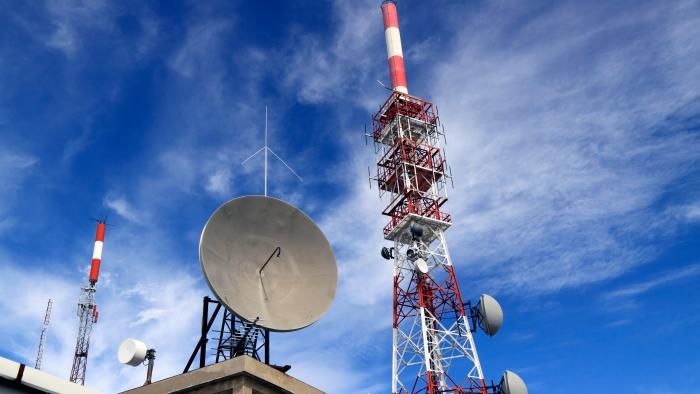
Qadên Serlêdanê yên Endezyariya Elektrîkê
Endezyariya elektrîkê gelek sepanan heye, hemû aliyên civakê vedihewîne.
Systems Power
Pergalên hêzê bingeha binesaziya nûjen in, berpirsiyarê hilberîna hêzê ye, dezgeh, û belavkirin.
Generation Power, Dezgeh, û Pergalên Belavkirinê
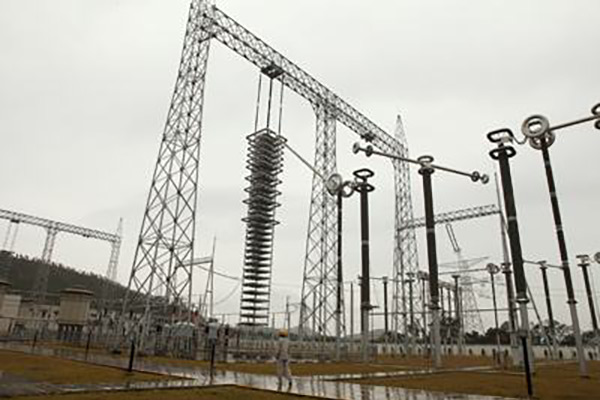
Bend: Çavkaniyên cûrbecûr yên enerjiyê vediguherîne enerjiya elektrîkê, wek hêza termal, hîdroenerjî, enerjiya navokî, hêza bayê, û enerjiya rojê.
Dezgeh: Elektrîkê ji santralên elektrîkê digihîne binstgehan, bi gelemperî veguhestina voltaja bilind bikar tîne.
Belavkirinî: Elektrîkê ji binstgehan li bikarhênerên dawîn belav dike, bi gelemperî bi torên voltaja kêm.
Serîlêdana Kabloya ZMS di Pergalên Hêzê de
Berhemên ZMS Cable bi berfirehî di pergalên hêzê de têne bikar anîn:
Kabloyên voltaja bilind in: Ji bo xetên veguheztinê ji bo peydakirina hêza pêbawer.
kabloyên kêm-voltaja: Ji bo torên belavkirinê ku hêzê ji bikarhêneran re peyda bikin.
kabloyên kontrolê: Ji bo kontrolkirin û parastina alavên elektrîkê.
Trendên Pêşveçûna Grid Smart
Torên smart pêşeroja pergalên hêzê temsîl dikin. Ew teknolojiyên ragihandinê û kontrolê yên pêşkeftî yek dikin da ku rêvebirin û xweşbîniya hêza aqilmend bikin. ZMS Cable bi aktîvî beşdarî avakirina torên aqilmend dibe ku bi peydakirina hilberên kabloyî yên qalîteya bilind piştgirî dide pêşkeftina wan..
Otomasyona Pîşesazî
Otomasyona pîşesaziyê rêbazek sereke ye ji bo baştirkirina karbidestiya hilberînê û kalîteya hilberê.
Kontrola Elektrîkê di Amûrên Xweseriyê de
Pergalên otomasyonê bi gelemperî ji motoran pêk tê, sensors, û PLC (Controllers Mantiqa Programmable).
Motors: Hêza mekanîkî peyda bikin.
Sensor: Daneyên cihêreng berhev bikin, wek germahî, çap, û helwest.
PLCs: Operasyona alavên kontrolê.
Serîlêdana Kabloya ZMS di Otomasyona Pîşesaziyê de
Berhemên ZMS Cable bi berfirehî di otomasyona pîşesaziyê de têne bikar anîn:
kabloyên kontrolê: Amûrên cûda yên kontrolê girêdin û îşaretên kontrolê ragihînin.
kabloyên sînyala: Daneyên sensor veguhezînin.
Rabûna Înterneta Pîşesazî ya Tiştan (IIoT)
IIoT teknolojiyên IoT di sektora pîşesaziyê de yek dike da ku pêwendiya cîhazê û parvekirina daneyê çalak bike. ZMS Cable ji bo piştgirîkirina serîlêdanên IIoT çareseriyên kabloyê yên pêbawer pêşkêşî dike.
Avakirina Pergalên Elektrîkê
Pergalên elektrîkê yên avahiyê ji bo avahiyan dabînkirina hêz û kontrolê peyda dikin.
Sêwirana Elektrîkê û Têlêdan Di Avahiyên Niştecîh û Bazirganî de
Sêwirana elektrîkê ronahiyê vedihewîne, soketan, klîma, sîstemên ewlekariyê, etc.
Têlkirin beşek girîng a endezyariya elektrîkê ya avahiyê ye, pêwîstî bi berçavgirtina ewlehiyê, estetîk, û fonksiyonel.
Serîlêdana Kabloya ZMS di Avakirina Pergalên Elektrîkê de
Berhemên ZMS Cable bi berfirehî di avakirina pergalên elektrîkê de têne bikar anîn:
Kabloyên Ronahî: Ji bo dorhêlên ronahiyê.
kabloyên hêzê: Ji bo hêzkirina amûrên cihêreng.
kabloyên ragihandinê: Ji bo telefonan, torên, sîstemên ewlekariyê, etc.
Pêşxistina Malên Smart
Xaniyên biaqil di avakirina pergalên elektrîkê de meylek pêşerojê ne, bikaranîna teknolojiyên IoT-ê da ku kontrolkirina jîr a amûrên malê çalak bike. ZMS Cable ji bo pergalên xaniyê biaqil çareseriyên kabloyê yên pêbawer peyda dike.
Agahdanyarî
Telekomunîkasyon binesaziya civaka agahdariyê pêk tîne.
Amûrên Elektrîkê di Torên Ragihandinê de
Tora ragihandinê stasyonên bingehîn dihewîne, sîstemên fiber optîk, etc.
Serîlêdana Kabloya ZMS di Telekomunîkasyonê de
Berhemên ZMS Cable bi berfirehî di sektora ragihandinê de têne bikar anîn:
kabloyên fiber optîk: Ji bo veguhestina daneya bilez.
kabloyên daneyan: Ji bo LAN û torên din.
Pêdiviyên Kabloyê di Serdema 5G de
Serdema 5G bandfirehiya bilind û derengiya kêmtir tîne, ji performansa kabloyê bêtir daxwaz dikin. ZMS Cable bi rengek çalak hilberên kabloyê yên nifşê din pêşve dike da ku hewcedariyên teknolojiya 5G bicîh bîne.
Trendên Pêşketinê Di Endezyariya Elektrîkê û Pêşeroja Kabloya ZMS de
Endezyariya elektrîkê bi berdewamî pêşve diçe, bi derfet û zehmetiyên nû re rû bi rû maye.
Pêşkeftina Berdewam
Di pêşkeftina endezyariya elektrîkê de domdarî rêgezek sereke ye.
Pêşveçûn û Serîlêdana Kabloyên Eco-Friendly
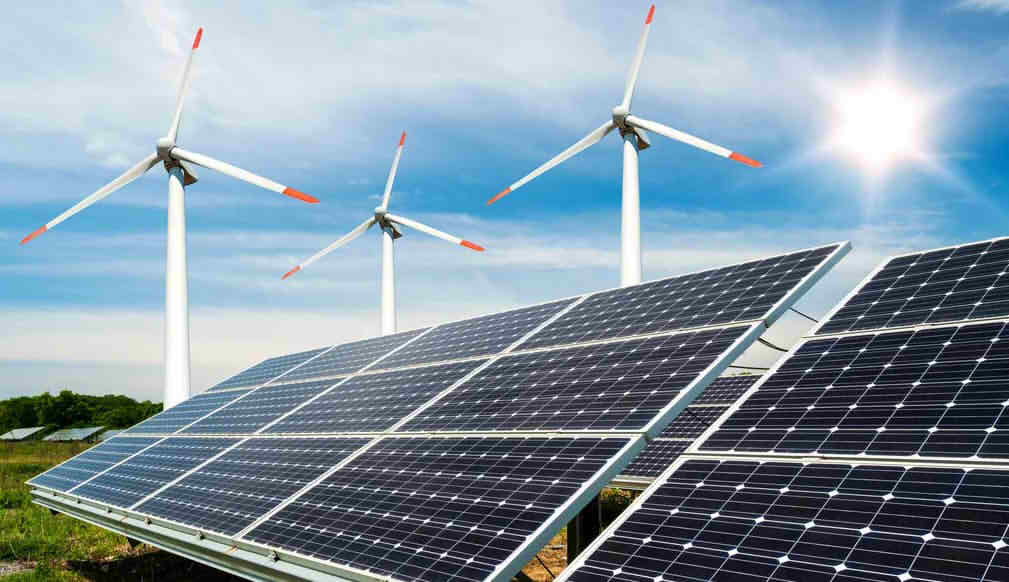
Kabloyên ekolojîk-heval bi karanîna materyalên vezîvirandinê têne pêşve xistin da ku bandora jîngehê kêm bikin. ZMS Cable bi pêşxistina hilberên kabloyê yên dostaniya jîngehê bi çalak bersivê dide polîtîkayên jîngehê yên neteweyî.
Serîlêdana Teknolojiyên Teserûfa Enerjiyê di Endezyariya Elektrîkê de
Teknolojiyên teserûfa enerjiyê ji bo baştirkirina karbidestiya enerjiyê têne bikar anîn. Taybetmendiya hilberên ZMS Cable hêzek kêm design ji bo kêmkirina bermayiyên enerjiyê.
Nûçe
Pergalên hişmend di pêşkeftina endezyariya elektrîkê de meylek girîng temsîl dikin.
Di Endezyariya Elektrîkê de Serîlêdana Zehmetiya Hunerî
Teknolojiyên AI-ê dikarin ji bo rêveberiya tora jîr werin bikar anîn, teşhîsa xelet, û yên din sepanên kontrol aqilmend.
Pêşxistina Torên Smart û Avahiyên Smart
Torên biaqil û avahiyên biaqil pêkhateyên sereke yên pêşkeftina aqilmend in. ZMS Cable çareseriyên kabloyê yên pêbawer peyda dike da ku hem torên jîr û hem jî avahiyên biaqil piştgirî bike.
Digitalization
Dîjîtalbûn di endezyariya elektrîkê de meylek din a girîng e.
Serîlêdana Daneyên Mezin di Endezyariya Elektrîkê de
Daneyên mezin dikare ji bo xweşbînkirina pergala hêzê were bikar anîn, pêşbînîkirin, lêkolîne, û biryargirtinê.
Serîlêdana Teknolojiya Twin ya Dîjîtal di Endezyariya Elektrîkê de
Teknolojiya cêwî ya dîjîtal ji bo simulasyonê modelên virtual yên pergalên elektrîkê diafirîne, optimization, û armancên parastinê.
Pêşerojê Outlook ji bo ZMS Cable
ZMS Cable dê berdewam bike ku ruhê nûjeniyê biparêze, bi domdarî teknolojiya xwe nûve dike û hilberên kabloyê yên nifşê din pêşve dike da ku daxwazên bazarê yên pêşkeftî bicîh bîne.
Nûjeniya Berdewam: Lêkolîna domdar li ser materyalên nû û pêvajoyên hilberînê ji bo zêdekirina performansa hilberê.
Nûvekirinên Teknolojiyê: Danasîna alavan û teknolojiyên hilberîna pêşkeftî ji bo baştirkirina karîgerî û kalîteya hilberê.
Cihêrengbûna hilberê: Berfirehkirina rêza hilberê da ku hewcedariyên senaryoyên cihêreng ên serîlêdanê bicîh bîne.
Berfirehkirina Bazarê: Bi aktîvî hem bazarên navxweyî û hem jî yên navneteweyî lêkolîn dikin da ku bandora marqeyê xurt bikin.
Xelasî: ZMS Cable hilbijêrin, Îmkanên Bêdawî Girêdan
Endezyariya elektrîkê hêzek ajotinê ye li pişt pêşkeftina civakî û pêşkeftina teknolojîk, û kablo bingehê pergalên elektrîkê ne. Wek dabînkerê kabloyê profesyonel, ZMS Cable bi peydakirina kalîteya bilind ve girêdayî ye, emîn, û hilberên kabloyê yên pêbawer dema ku bi domdarî nûjen dikin da ku pîşesaziyê bi pêş ve bibin.
Ji prensîbên bingehîn bigire heya serîlêdanên pratîkî, me aliyên cihêreng ên endezyariya elektrîkê keşif kiriye û avantajên hilberên ZMS Cable û serîlêdanên wan di warên cihêreng de ronî kirine. Em hêvî dikin ku ev gotar ji we re bûye alîkar ku hûn têgihîştinek kûr a endezyariya elektrîkê û rola girîng a ZMS Cable di wê de dilîze..
Hilbijartina ZMS Cable tê wateya hilbijartina ewledar, bawerdar, û pergala elektrîkê ya bikêrhatî.
ZMS Cable hilbijêrin - îmkanên bêdawî girêdin û bi hev re pêşerojek çêtir ava bikin!
Em bi dilgermî pêşwaziya hevkariya we dikin ji ber ku em bi hev re dixebitin ku ewledariyek çêbikin, bikêrtir, û cîhana elektrîkê jîrtir!