Introduktion: Vikten av elektroteknik och ZMS-kabelns roll
Elektroteknik, som en hörnsten i det moderna samhället, är djupt invävd i vårt dagliga liv, industriproduktion, och tekniska framsteg, ungefär som livsnerven i vår värld. Från hushållsströmförsörjning till komplex industriell automation, från mobil kommunikation till rymdutforskning, elektroteknik är allestädes närvarande, driver de mekanismer som håller vår värld i rörelse. Det stöder inte bara ekonomisk utveckling utan påverkar också i hög grad vår livskvalitet.
På detta vitala område, kablar fungerar som “artärer” som kopplar ihop elsystem. Deras betydelse kan inte överskattas. Högkvalitativa kablar säkerställer stabil strömöverföring, stödja utrustningens korrekta funktion, och, viktigast av allt, garantera säkerheten för människor och egendom.
Som en professionell kabelleverantör, ZMS Cable har åtagit sig att ge hög prestanda, säker, och pålitliga kabelprodukter för att möta behoven inom elteknik och bidra till branschens framsteg.
Den här artikeln tar dig med på en omfattande resa genom grunderna för elektroteknik, utforska viktiga komponenter, analysera viktiga applikationsområden, och ser framåt mot framtida trender. Det kommer också att belysa fördelarna med ZMS Cables produkter och deras applikationer inom olika sektorer, hjälpa läsarna att få en djupare förståelse för elektroteknik och den centrala roll som ZMS Cable spelar.
Låt oss avslöja hemligheterna bakom elektroteknik tillsammans och se hur ZMS Cable kopplar ihop framtiden, banar väg för säkrare och effektivare elsystem.
Grundläggande principer för elektroteknik: Elektricitetens och magnetismens mysterier
I hjärtat av elektroteknik ligger en djup förståelse och tillämpning av elektricitet och magnetism. Att behärska dessa grundläggande principer är avgörande för att förstå komplexa elektriska system.
Nuvarande, Spänning, och motstånd
Elström (Jag) hänvisar till det riktade flödet av elektrisk laddning, mätt i ampere (A). Storleken på strömmen anger mängden laddning som passerar genom en ledares tvärsnitt per tidsenhet. Ström är grunden för kraftöverföring.
Spänning (U) är det arbete som utförs av ett elektriskt fält för att flytta en enhets positiv laddning, mätt i volt (V). Spänning fungerar som “drivkraft” bakom strömmen, bestämma dess intensitet.
Motstånd (R) är den opposition en ledare erbjuder mot strömflödet, mätt i ohm (Åh). Resistansvärdet beror på materialet, längd, och ledarens tvärsnittsarea.
Ohms lag är den klassiska formeln som definierar förhållandet mellan ström, spänning, och motstånd: U = I × R. Detta innebär att strömmen är direkt proportionell mot spänningen och omvänt proportionell mot resistansen. Att förstå Ohms lag är nyckeln till att analysera det grundläggande beteendet hos elektriska kretsar.
Till exempel, en enkel krets kan bestå av ett batteri, en glödlampa, och anslutningsledningar. Batteriet ger spänning, som driver strömmen genom kretsen. Glödlampan har motstånd, begränsa strömmen och omvandla elektrisk energi till ljus. Ledningarna fungerar som strömbanor, ger vanligtvis försumbart motstånd.
Elektromagnetisk induktion
Elektromagnetisk induktion är ett nyckelfenomen som visar upp samspelet mellan elektricitet och magnetism. Faradays lag om elektromagnetisk induktion beskriver denna princip:
När det magnetiska flödet genom en sluten slinga ändras, en elektromotorisk kraft (EMF) induceras i slingan.
Med andra ord, ett förändrat magnetfält kan generera en elektriskt fält, vilket i sin tur inducerar en elektrisk ström. Denna princip används ofta i transformatorer och generatorer.
En transformator använder elektromagnetisk induktion för att ändra spänningen på växelström (Växelström). Den består av en primär och en sekundär spole. När AC passerar genom primärspolen, det skapar ett varierande magnetfält som inducerar en spänning i sekundärspolen.
En generator omvandlar mekanisk energi till elektrisk energi med hjälp av elektromagnetisk induktion. Som en spole roterar inom ett magnetfält, det förändrade magnetiska flödet inducerar en EMF, genererar en ström.
Dessutom, elektromagnetisk induktion är också grundläggande för skapandet av elektromagnetiska vågor, där föränderliga elektriska och magnetiska fält utbreder sig tillsammans, möjliggör trådlös informationsöverföring.
Kretsanalys
Kretsanalys är en viktig metod för att förstå hur kretsar fungerar och beter sig.
I en seriekrets, alla komponenter ansluts i sekvens, och strömmen är densamma genomgående. Det totala motståndet är summan av de individuella motstånden.
I en parallell krets, komponenter är anslutna sida vid sida, och spänningen över varje gren är densamma. Den reciproka av det totala motståndet är lika med summan av de reciproka av individuella motstånd.
Kirchhoffs lagar är två grundläggande regler för kretsanalys:
Kirchhoffs nuvarande lag (KCL): Summan av strömmar som kommer in i en nod är lika med summan av strömmar som lämnar den.
Kirchhoffs spänningslag (KVL): Summan av spänningsfall runt en sluten slinga i en krets är noll.
Med kretsanalys, ingenjörer kan beräkna ström, spänning, och ström i kretsar, analysera driftsförhållandena, identifiera fel, och designa funktionella och säkra elsystem.
Nyckelkomponenter i elektroteknik: Kablar, Växlar, Transformatorer
Elteknik består av en mängd olika komponenter som samverkar för att bilda komplexa elektriska system. Bland dem, kablar, växlar, och transformatorer är viktiga byggstenar.
Kablar: Kärnkompetensen för zms-kabel
Kablar är bärare för att överföra elektrisk energi och signaler - de är "blodkärlen" i ett elektriskt system.
Definition och klassificering av kablar
En kabel består av en eller flera inbördes isolerade ledare, används för att överföra elektrisk kraft eller signaler. Baserat på deras ansökan, kablar kan delas in i flera typer:
Strömkablar: Används för energiöverföring, typiskt med hög spänning och strömförande kapacitet.
Kommunikationskablar: Används för att överföra röst, data, och videosignaler, inklusive telefonledningar, nätverkskablar, och fiberoptiska kablar.
Styrkablar: Används för att överföra styrsignaler, vägleda driften av enheter eller system.
Specialkablar: Designad för specifika miljöer, såsom högtemperaturkablar, korrosionsbeständiga kablar, vattentäta kablar, etc.
Struktur av en typisk kabel
En typisk kabel består av följande delar:
Dirigent: Tillverkad av koppar eller aluminium, används för att leda ström.
Isoleringslager: Tillverkad av gummi, plast, eller andra isoleringsmaterial för att isolera ledare och förhindra läckage.
Avskärmande lager: Blockerar extern elektromagnetisk störning eller förhindrar intern elektromagnetisk strålning.
Slidskikt: Tillverkad av gummi eller plast, skyddar interna komponenter från yttre miljöskador.
Fördelar med ZMS kabelprodukter
Som en professionell kabelleverantör, ZMS Cable sticker ut med sin produktkvalitet, teknisk innovation, och service:
Materialval: Använder högkvalitativa koppar- och aluminiumledare för att säkerställa utmärkt ledningsförmåga och stabilitet. Isolerings- och mantelmaterial är miljövänliga och hållbara, skräddarsydda för olika applikationer.
Tillverkningsprocess: Använder avancerad produktionsutrustning och processer för att garantera produktkonsistens och kvalitet. Varje steg i produktionsprocessen kontrolleras strikt för att säkerställa överensstämmelse med relevanta standarder.
Kvalitetskontroll: Ett robust kvalitetsledningssystem säkerställer noggrann testning av råvaror, halvfabrikat, och avslutade kablar. Varje kabel uppfyller nationella och industristandarder och kan anpassas efter behov.
Säkerhetscertifiering: Produkterna är certifierade med CCC, CE, Ul, och andra internationella säkerhetsstandarder.
Anpassning: zmscable erbjuder skräddarsydda kabellösningar baserade på kundens specifikationer.
Teknisk support: Ger expertrådgivning, vägledning för produktval, och installationsråd.
Rekommendationer för val av kabel för olika applikationer
Att välja rätt kabel är avgörande för säker och pålitlig drift av ett elektriskt system. zmscable erbjuder en mängd olika kablar lämpade för olika scenarier:
Kraftöverföring: Använd högspännings- eller lågspänningskablar, väljs utifrån spänningsnivå och strömförande kapacitet. zmscables strömkablar har utmärkt spänningsbeständighet och åldringsbeständighet för långsiktig tillförlitlighet.
Signalöverföring: Använd kontroll, data, eller kommunikationskablar. zmscables kontroll- och datakablar erbjuder stark anti-interferensprestanda för exakt signalöverföring. Fiberoptiska kablar från zmscable är idealiska för höghastighetsdataöverföring och moderna kommunikationssystem.
Industriell kontroll: Använd styr- och skärmade kablar för att ansluta industriell utrustning och styrsystem. zmscables kablar är oljebeständiga, nötningsbeständig, och korrosionsbeständig, idealisk för tuffa industriella miljöer.
Korrekt installation och underhåll av kablar
Korrekt installation och underhåll är avgörande för säker användning av kablar.
Installationstips:
Välj lämplig kabeltyp och specifikationer.
Följ ledningsstandarder för att undvika mekanisk skada och överbelastning.
Använd professionella verktyg för säkra och pålitliga anslutningar.
Säkerställ korrekt jordning för att förhindra läckageolyckor.
Underhållstips:
Inspektera regelbundet isoleringsprestanda och byt ut skadade kablar omedelbart.
Håll kabelomgivningen ren för att undvika fysisk skada.
Undvik långvarig exponering för solljus eller höga temperaturer.
Utför värmeavbildningskontroller med jämna mellanrum för att upptäcka överhettning vid anslutningspunkter.
Växlar
Omkopplare är nyckelkomponenter för att styra på/av-status för elektriska kretsar.
Typer av switchar
Strömbrytare: Slå av strömmen automatiskt vid överbelastning eller kortslutning.
Säkringar: Skydda kretsar genom att smälta säkringstråden under överbelastning eller kortslutning.
Kontaktorer: Styr högströmskretsar, används ofta med skyddsanordningar.
Arbetsprincip och funktioner
Omkopplare fungerar genom att ändra tillståndet för en krets för att styra strömflödet. Deras huvudsakliga funktioner inkluderar:
Kretsskydd: Förhindra skador från överbelastning eller kortslutning, Skydda utrustning och personal.
Strömkontroll: Aktivera eller inaktivera drift av enheter eller system, möjliggör automatisering.
Applikationsscenarier
Switchar används ofta i:
Kraftdistributionssystem: För att kontrollera och skydda distributionskretsar.
Industriell automation: För styrning av motorer, sensorer, och andra enheter.
Byggande av elsystem: För att styra belysningen, uttag, etc.

Transformatorer
Transformatorer är enheter som ändrar spänningsnivån för växelström (Växelström) elektricitet.
Arbetsprincip
Transformatorer fungerar baserat på principen om elektromagnetisk induktion. När AC strömmar genom primärspolen, det genererar ett föränderligt magnetfält, som inducerar en spänning i sekundärspolen, alltså ändra spänningsnivån.
Typer av transformatorer
Step-up transformatorer: Öka spänningen.
Step-down transformatorer: Minska spänningen.
Isoleringstransformatorer: Elektriskt isolera ingång och utgång för säkerhet.
Transformers funktioner
Huvudfunktionerna hos transformatorer inkluderar:
Spänningsomvandling: Justera spänningen för att möta behoven hos olika enheter.
Elektrisk isolering: Separata in- och utgångskretsar för säkerhet.
Skydd: Minska risken för elektriska stötar genom isolering.
Tillämpningsområden för elektroteknik
Elteknik har ett brett spektrum av tillämpningar, täcker alla aspekter av samhället.
Kraftsystem
Kraftsystem är ryggraden i modern infrastruktur, ansvarig för elproduktion, överföring, och distribution.
Kraftgenerering, Överföring, och distributionssystem
Generation: Omvandlar olika energikällor till elektrisk energi, såsom värmekraft, vattenkraft, kärnenergi, vindkraft, och solenergi.
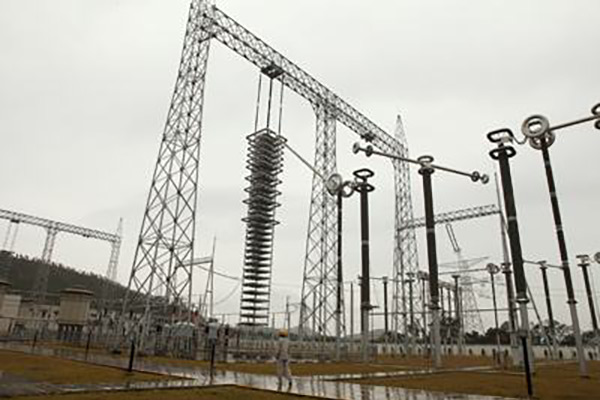
Överföring: Levererar el från kraftverk till transformatorstationer, använder vanligtvis högspänningsöverföring.
Distribution: Distribuerar el från transformatorstationer till slutanvändare, vanligtvis via lågspänningsnät.
Tillämpning av ZMS-kabel i kraftsystem
ZMS Cables produkter används ofta i kraftsystem:
Högspänningskablar är: För transmissionsledningar för att säkerställa tillförlitlig kraftleverans.
Lågspänningskablar: För distributionsnät för att leverera ström till användare.
Styrkablar: För styrning och skydd av elektrisk utrustning.
Trender för utveckling av smarta nät
Smarta nät representerar framtiden för kraftsystem. De integrerar avancerad kommunikations- och styrteknik för att möjliggöra intelligent energihantering och optimering. ZMS Cable deltar aktivt i byggandet av smarta nät genom att tillhandahålla högkvalitativa kabelprodukter för att stödja deras utveckling.
Industriell automation
Industriell automation är en nyckelmetod för att förbättra produktionseffektiviteten och produktkvaliteten.
Elstyrning i automationsutrustning
Automationssystem består vanligtvis av motorer, sensorer, och PLC:er (Programmerbara logiska styrenheter).
Motorer: Ge mekanisk kraft.
Sensorer: Samla olika data, såsom temperatur, tryck, och position.
PLC:er: Styrutrustningens funktion.
Tillämpning av ZMS-kabel i industriell automation
ZMS Cables produkter används i stor utsträckning inom industriell automation:
Styrkablar: Anslut olika styrenheter och överför styrsignaler.
Signalkablar: Överför sensordata.
Uppkomsten av det industriella Internet of Things (IIoT)
IIoT integrerar IoT-teknik i industrisektorn för att möjliggöra sammankoppling av enheter och datadelning. ZMS Cable erbjuder pålitliga kabellösningar för att stödja IIoT-applikationer.
Byggande av elsystem
Byggnads elektriska system tillhandahåller strömförsörjning och kontroll för byggnader.
Elektrisk design och kabeldragning i bostäder och kommersiella byggnader
Elektrisk design inkluderar belysning, uttag, luftkonditionering, säkerhetssystem, etc.
Kabeldragning är en avgörande del av att bygga elteknik, kräver hänsyn till säkerheten, estetik, och funktionalitet.
Tillämpning av ZMS-kabel i byggnadselektriska system
ZMS Cables produkter används i stor utsträckning för att bygga elektriska system:
Belysningskablar: För belysningskretsar.
Strömkablar: För att driva olika utrustningar.
Kommunikationskablar: För telefoner, nätverk, säkerhetssystem, etc.
Utveckling av smarta hem
Smarta hem är en framtidstrend inom att bygga elsystem, använder IoT-teknik för att möjliggöra intelligent kontroll av hushållsapparater. ZMS Cable tillhandahåller pålitliga kabellösningar för smarta hemsystem.
Telekommunikation
Telekommunikationer utgör informationssamhällets infrastruktur.
Elektrisk utrustning i kommunikationsnätverk
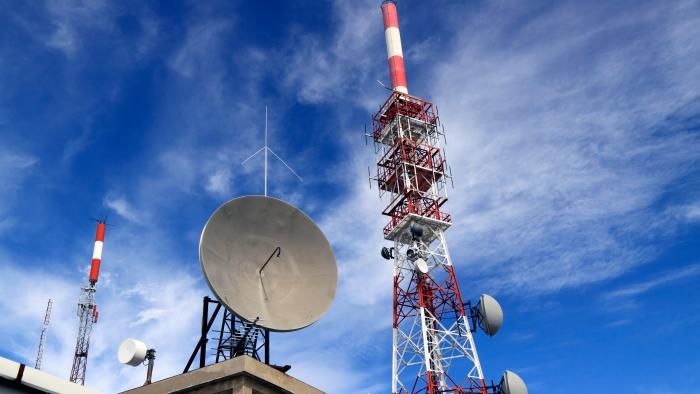
Kommunikationsnätverk inkluderar basstationer, fiberoptiska system, etc.
Tillämpning av ZMS-kabel i telekommunikation
ZMS Cables produkter används i stor utsträckning inom kommunikationssektorn:
Optiska fiberkablar: För höghastighetsdataöverföring.
Datakablar: För LAN och andra nätverk.
Kabelkrav i 5G-eran
5G-eran ger högre bandbredd och lägre latens, kräver mer av kabelprestanda. ZMS Cable utvecklar aktivt nästa generations kabelprodukter för att möta kraven för 5G-teknik.
Utvecklingstrender inom elektroteknik och framtiden för ZMS-kabel
Eltekniken utvecklas ständigt, inför nya möjligheter och utmaningar.
Hållbar utveckling
Hållbarhet är en nyckelriktning i utvecklingen av elektroteknik.
Utveckling och tillämpning av miljövänliga kablar
Miljövänliga kablar är utvecklade med återvinningsbara material för att minska miljöpåverkan. ZMS Cable reagerar aktivt på nationella miljöpolicyer genom att utveckla miljövänliga kabelprodukter.
Tillämpning av energibesparande teknik inom elektroteknik
Energibesparande tekniker används för att förbättra energieffektiviteten. ZMS Cables produktfunktion en lågeffekt design för att minska energislöseri.
Intelligens
Intelligenta system representerar en betydande trend i utvecklingen av elektroteknik.
Tillämpning av artificiell intelligens inom elektroteknik
AI-teknik kan användas för smart näthantering, feldiagnos, och andra intelligenta styrtillämpningar.
Utveckling av smarta nät och smarta byggnader
Smarta nät och smarta byggnader är nyckelkomponenter i intelligent utveckling. ZMS Cable tillhandahåller pålitliga kabellösningar för att stödja både smarta nät och smarta byggnader.
Digitalisering
Digitalisering är en annan viktig trend inom elteknik.
Tillämpning av Big Data inom elektroteknik
Big data kan användas för optimering av kraftsystem, prognoser, analys, och beslutsfattande.
Tillämpning av Digital Twin Technology inom elektroteknik
Digital tvillingteknik skapar virtuella modeller av elektriska system för simulering, optimering, och underhållsändamål.
Framtidsutsikter för ZMS Cable
ZMS Cable kommer att fortsätta att upprätthålla en anda av innovation, ständigt uppgradera sin teknik och utveckla nästa generations kabelprodukter för att möta förändrade marknadskrav.
Kontinuerlig innovation: Pågående forskning om nya material och tillverkningsprocesser för att förbättra produktens prestanda.
Tekniska uppgraderingar: Införande av avancerad produktionsutrustning och teknik för att förbättra effektiviteten och produktkvaliteten.
Produktdiversifiering: Utöka produktsortimentet för att möta behoven i olika applikationsscenarier.
Marknadsexpansion: Aktivt utforska både inhemska och internationella marknader för att stärka varumärkets inflytande.
Slutsats: Välj ZMS-kabel, Anslut oändliga möjligheter
Elteknik är en drivkraft bakom social utveckling och tekniska framsteg, och kablar är hörnstenen i elektriska system. Som en professionell kabelleverantör, ZMS Cable har åtagit sig att tillhandahålla hög kvalitet, säker, och pålitliga kabelprodukter samtidigt som man ständigt förnyar sig för att leda branschen framåt.
Från grundläggande principer till praktiska tillämpningar, vi har utforskat olika aspekter av elektroteknik och lyft fram fördelarna med ZMS Cable-produkter och deras tillämpningar inom olika områden. Vi hoppas att den här artikeln har hjälpt dig att få en djupare förståelse för elektroteknik och den avgörande roll ZMS Cable spelar i den.
Att välja ZMS Cable innebär att välja ett värdeskåp, pålitlig, och effektivt elsystem.
Välj ZMS-kabel — anslut oändliga möjligheter och bygg en bättre framtid tillsammans!
Vi välkomnar ditt partnerskap varmt när vi arbetar tillsammans för att skapa en tryggare, effektivare, och en smartare elektrisk värld!