
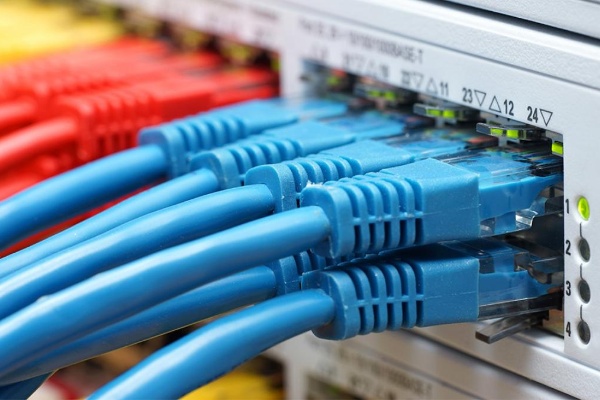
I dagens sammanlänkade värld, Ethernet fungerar som ryggraden i moderna nätverk. Oavsett om du sätter upp ett hemnätverk eller hanterar en komplex affärsinfrastruktur, förståelse för Ethernet är avgörande. Men vad är Ethernet egentligen, och varför är det så viktigt? Den här guiden kommer att besvara dessa frågor och ge en omfattande översikt över Ethernets historia, standarder, komponenter, fördelar, och applikationer.
Grunderna i Ethernet
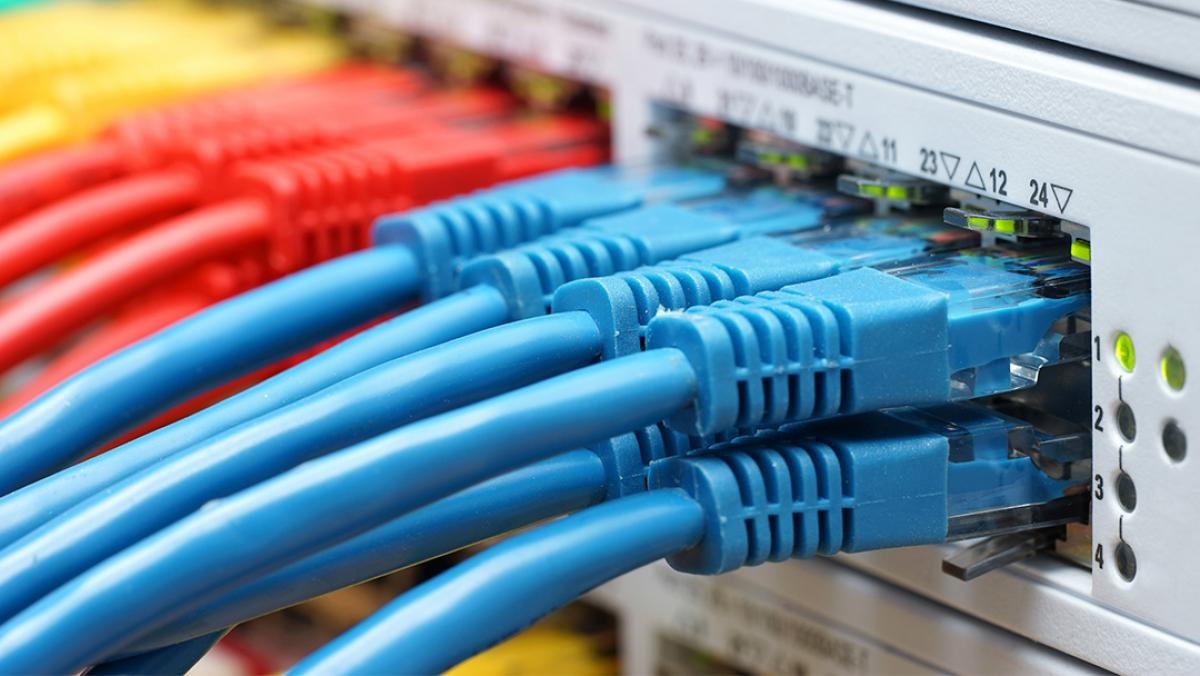
Vad är Ethernet? I dess kärna, Ethernet är en trådbunden nätverksteknik som gör att enheter kan kommunicera inom ett lokalt nätverk (LAN). Det underlättar dataöverföring i form av ramar över kablar eller fiberoptik, säkerställer snabb och pålitlig anslutning.
Ethernets historia börjar på 1970-talet, when Robert Metcalfe and his team at Xerox developed the first version. Initially designed for internal office use, Ethernet quickly gained traction due to its simplicity, reliability, and scalability. Over the decades, it has evolved into a robust technology that supports everything from small home networks to expansive corporate systems.
One of Ethernet’s defining features is its use of a protocol to control how data is transmitted. This ensures that devices can send and receive information without interference, a significant improvement over earlier technologies.
Ethernet Standards
Ethernet’s functionality is governed by the IEEE 802.3 standard, which defines how devices communicate at the physical and data link layers of the OSI model. Dessa standarder har uppdaterats över tid för att möta ökande krav på snabbhet och effektivitet.
Här är de vanligaste Ethernet-standarderna:
– Klassiskt Ethernet (10 Mbps): Den ursprungliga standarden, nu i stort sett föråldrad men grundläggande för modern utveckling.
– Snabbt Ethernet (100 Mbps): Introducerades på 1990-talet för att möta växande efterfrågan på högre hastigheter i hem- och kontorsmiljöer.
– Gigabit Ethernet (1 Gbps): En milstolpe för höghastighetsdataöverföring, nu standard i de flesta nätverk.
– 10-Gigabit Ethernet (10 Gbps): Används ofta i datacenter och för högpresterande datoranvändning.
– Utöver 10 Gbps: Standarder som 25G, 40G, och till och med 400G Ethernet tillgodoser behoven hos storskaliga företagsnätverk och avancerad teknik som AI och cloud computing.
Dessa standarder säkerställer att Ethernet förblir mångsidigt och anpassningsbart till olika nätverksbehov, stöder både nuvarande och framtida applikationer.
Ethernet Components
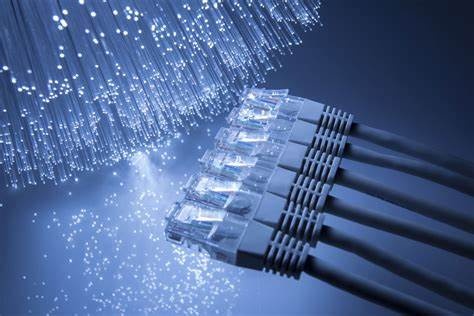
An Ethernet network comprises several key components that work together seamlessly. Each component plays a critical role in ensuring efficient and reliable communication.
Ethernet Cables
– Twisted Pair Cables: These are the most commonly used cables, with options like Cat5e, Cat6, and Cat6a. Each category supports varying speeds and distances, with Cat6a offering improved shielding to reduce interference.
– Fiber Optic Cables: These cables use light to transmit data, making them ideal for long-distance and high-speed transmission. They are commonly used in enterprise and industrial settings.
Network Devices
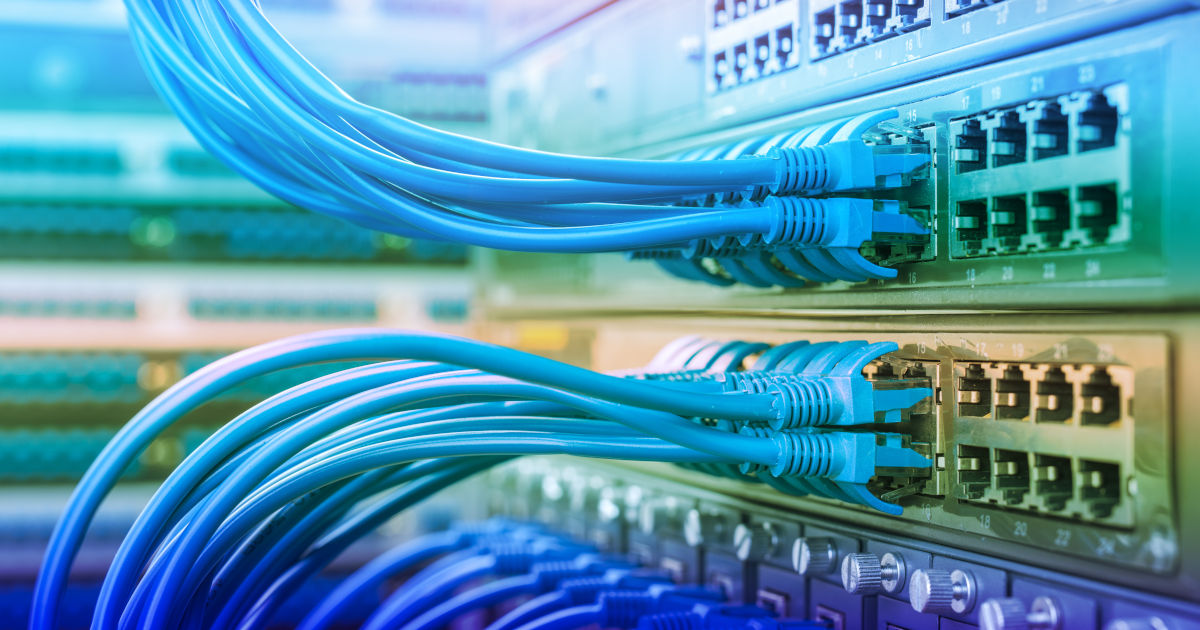
– Växlar: These devices connect multiple devices within a network, directing data to the correct destination efficiently.
– Routers: While switches handle internal communication, routers connect networks to the internet or other networks.
– Network Interface Cards (NICs): These are hardware components installed in devices to enable Ethernet connectivity.
Connectors
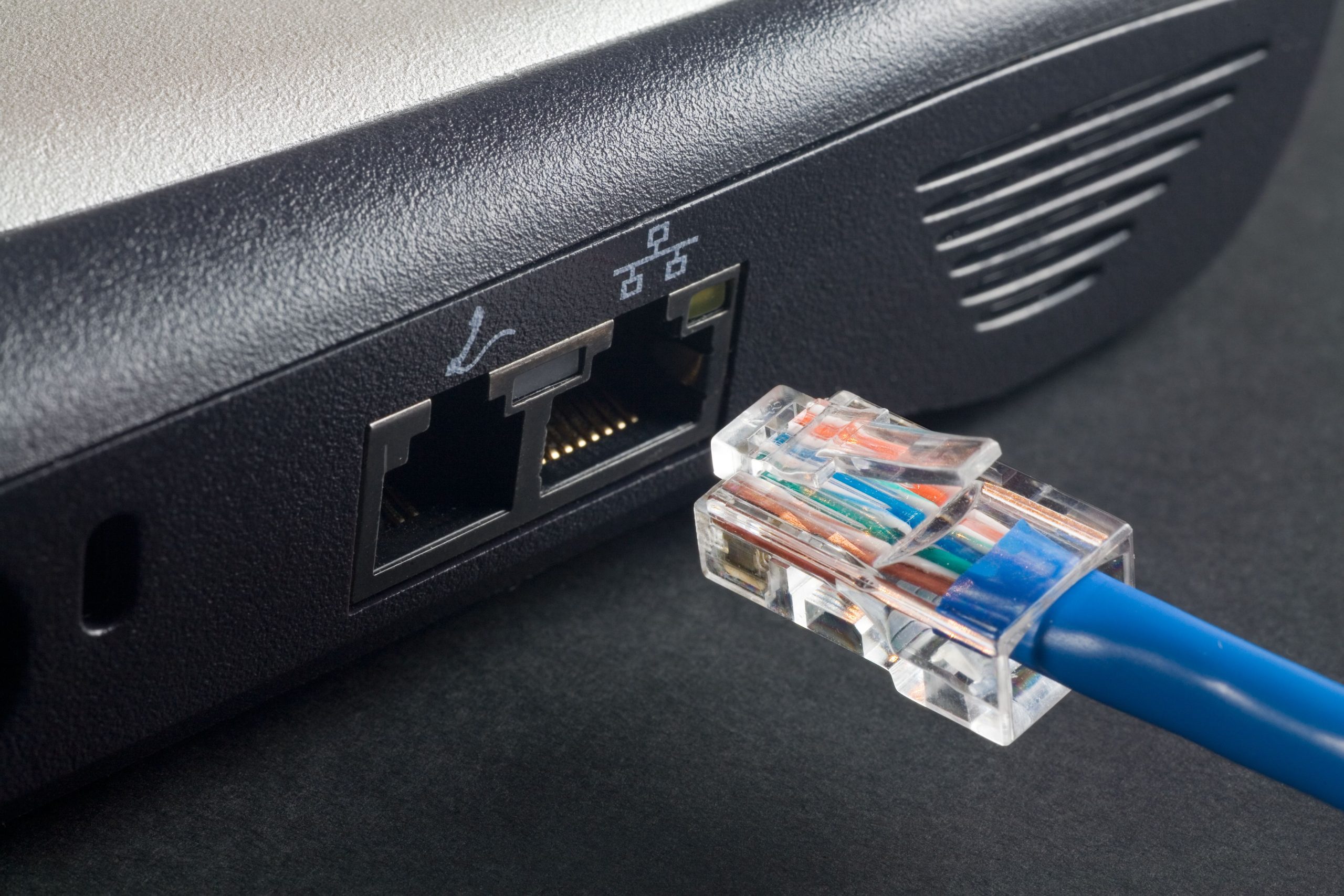
– RJ45 Connectors: Standard for twisted-pair cables, ensuring secure and stable connections.
– Fiber Optic Connectors: Specialized connectors used in fiber optic networks to ensure precise data transmission.
Key Advantages of Ethernet
Why choose Ethernet over other networking options? Here are its primary benefits:
– Speed: Ethernet provides faster data transmission than most wireless technologies, with options ranging from 10 Mbps to 400 Gbps.
– Reliability: Ethernet ensures stable connectivity with minimal interference or signal loss, making it ideal for critical applications.
– Security: Wired connections are inherently more secure than wireless ones, reducing the risk of unauthorized access.
– Cost-Effectiveness: Ethernet cables and devices are widely available and affordable, offering excellent value for both individuals and businesses.
– Scalability: Ethernet networks can easily be expanded to accommodate growing needs, making them future-proof.
Dessutom, Ethernet’s low latency and high performance make it a preferred choice for activities requiring uninterrupted connectivity, such as video streaming, gaming, and remote work.
Ethernet vs. Other Networking Technologies
When comparing Ethernet to other technologies like Wi-Fi or DSL, Ethernet stands out for its stability and performance. Here’s how it compares:
Ethernet vs. Wi-Fi: While Wi-Fi offers mobility, Ethernet delivers faster speeds, lower latency, and higher reliability. This makes Ethernet ideal for environments where consistent performance is crucial, such as offices and gaming setups.
Ethernet vs. DSL: DSL (Digital Subscriber Line) är en äldre teknik som främst används för internetanslutningar. Ethernet, å andra sidan, är designad för både lokala och breda nätverk, erbjuder överlägsen hastighet och tillförlitlighet.
Vanliga applikationer för Ethernet
Ethernets mångsidighet gör det lämpligt för ett brett spektrum av applikationer:
– Hemnätverk: Ansluta datorer, smarta TV-apparater, spelkonsoler, och mer för att säkerställa stabil internetåtkomst.
– Affärsnätverk: Bygga säkra och skalbara LAN för kontor, säkerställa sömlös kommunikation mellan anställda och system.
– Industriella styrsystem: Drivs av automation och IoT-enheter i fabriker och lager, där tillförlitlighet är viktigast.
– Datacenter: Underlätta höghastighetskommunikation mellan servrar och lagringsenheter för att hantera massiva databelastningar effektivt.
Från bostadsinstallationer till system i företagsklass, Ethernet spelar en avgörande roll för att ansluta enheter effektivt och tillförlitligt.
Framtiden för Ethernet
Framtiden för Ethernet ser lovande ut, med framväxande teknologier som 2,5G och 5G Ethernet vinner dragkraft. Dessa framsteg lovar högre hastigheter och större flexibilitet, tillgodose behoven hos moderna applikationer som AI, IoT, och smarta städer.
Ethernet utvecklas också för att stödja grönare teknik, med energieffektivt Ethernet (EEE) standarder som minskar strömförbrukningen utan att kompromissa med prestanda. Dessutom, den fortsätter att integreras sömlöst med trådlös teknik som 5G, säkerställa en balanserad blandning av hastighet och rörlighet.
Att välja rätt Ethernet-inställning
Att välja rätt Ethernet-komponenter är viktigt för att optimera ditt nätverk:
1. Kablar: För hemmabruk, Cat5e eller Cat6 kablar räcker, while businesses may require Cat6a or fiber optics for greater performance.
2. Switches and Routers: Choose models that match your network’s size and complexity, ensuring they can handle your data demands.
3. Setup Tips: Organize cables neatly, avoid running them near electrical lines to reduce interference, and use quality components to minimize signal loss.
A properly configured Ethernet network ensures seamless communication, enhanced security, and long-term reliability.
Slutsats
Sammanfattningsvis, Ethernet remains a cornerstone of modern networking, offering unmatched speed, reliability, and scalability. Its adaptability has kept it relevant in an era of rapid technological advancement, making it a vital component of both personal and professional networks.
Whether you’re upgrading your home network or designing an enterprise system, understanding Ethernet’s capabilities is crucial. Ready to enhance your connectivity? Explore the latest Ethernet technologies today and build a network that meets your needs effortlessly!
FAQs About Ethernet
1. What is the maximum speed of Ethernet?
– Current standards support up to 400 Gbps, with future advancements promising even higher speeds.
2. Can Ethernet and Wi-Fi work together?
– Yes, they can complement each other, providing a balance of mobility and stability.
3. How do I troubleshoot Ethernet connection issues?
– Check cables, restart devices, and ensure drivers are updated.
By addressing these common questions, you can make informed decisions about your Ethernet network. Optimize your connectivity today with Ethernet!