

Електротехніка є складною та динамічною дисципліною, яка лежить в основі критичних аспектів сучасного життя, від виробництва електроенергії до передових систем зв'язку. Щоб досягти успіху в цій галузі, глибоке розуміння основоположних принципів та їх практичного застосування є важливим. У цій статті, ми досліджуємо десять передових, але фундаментальних концепцій, якими повинен опанувати кожен інженер-електрик. Ці концепції забезпечують основу для вирішення реальних інженерних завдань і розробки передових технологій.
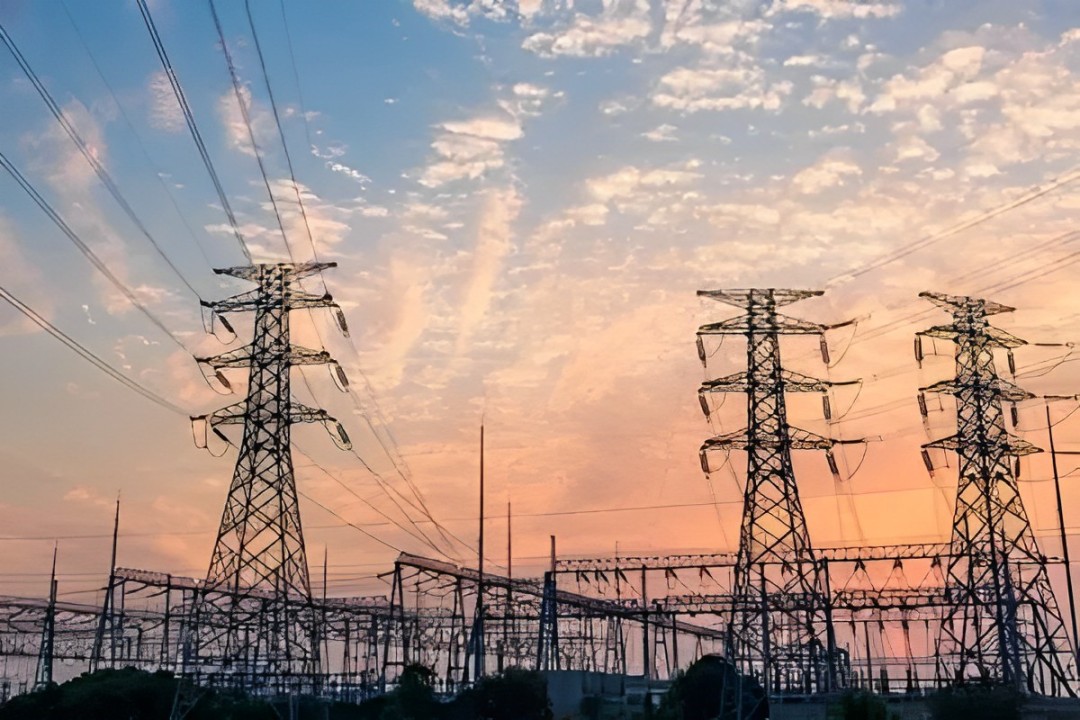
1. Напруга, поточний, і Глибинний опір
Напруга, поточний, і опір є основою електротехніки. Напруга представляє потенційну енергію на одиницю заряду і діє як рушійна сила для електричного струму, який є потоком електронів через провідник. опір, визначається властивостями матеріалу та геометрією, opposes this flow and dissipates energy as heat.
Engineers often deal with different types of resistance, including contact resistance in connectors and skin effect in high-frequency AC systems. Understanding these subtleties helps optimize designs for efficiency and reliability. Додатково, analyzing temperature coefficients of resistance is critical in applications such as precision instrumentation and high-power systems where thermal effects can significantly alter performance.
2. Ohm’s Law and Its Applications
Ohm’s Law, \( V = I \times R \), is more than a basic formula; it is a versatile tool for circuit analysis. Наприклад, it enables the calculation of voltage drops across components, essential for ensuring proper functioning of complex systems.
In power distribution networks, voltage drops due to long transmission lines can be minimized using capacitors or voltage regulators. This ensures that end-users receive stable power within specified limits. Більше, understanding deviations from ideal behavior in non-linear components like diodes and transistors allows engineers to predict and correct performance issues in complex circuits.
3. AC and DC Currents: Beyond the Basics
Alternating current (AC) and direct current (DC) are the two primary types of electricity. While AC is used in power grids due to efficient voltage transformation, DC is indispensable for electronics and renewable energy storage systems.
The shift toward renewable energy has spurred interest in high-voltage direct current (HVDC) systems for long-distance transmission. HVDC reduces energy losses and allows interconnection of asynchronous power grids, demonstrating the evolving relevance of DC technology. Додатково, understanding harmonic distortion in AC systems and its mitigation techniques is critical for maintaining power quality in industrial and commercial settings.
4. Advanced Circuit Components and Their Roles
Understanding circuit components like resistors, capacitors, and inductors is fundamental, but their behavior in real-world applications involves more complexity. Наприклад:
– Resistors: Heat dissipation and tolerance levels must be considered for high-power circuits.
– Capacitors: Engineers select dielectric materials based on temperature stability and loss characteristics.
– Inductors: Core material affects performance in switching power supplies.
Designing efficient filters for signal processing requires precise knowledge of component behavior at different frequencies, which involves calculating quality factors and impedance matching. Додатково, advanced materials such as supercapacitors and nanotechnology-based inductors are being explored for applications requiring high energy density and compact designs.

5. Power and Energy Management
Power (\( P = V \times I \)) and energy (work done over time) are critical metrics in electrical systems. Engineers must optimize both to achieve sustainability and cost-efficiency.
In industrial facilities, power factor correction using capacitor banks minimizes reactive power, reducing utility bills and improving energy efficiency. This is particularly important in systems with large inductive loads such as motors. Furthermore, energy storage technologies like lithium-ion batteries and flywheel systems are being integrated into power grids to balance supply and demand effectively.
6. Transformers and Electromagnetic Induction
Transformers utilize electromagnetic induction to transfer energy between circuits, enabling voltage regulation. Their design involves complex trade-offs between efficiency, size, and cost.
Modern transformers use advanced core materials like amorphous steel to reduce hysteresis losses. Engineers must also manage thermal performance and harmonics, which can degrade efficiency in nonlinear loads. Додатково, designing transformer windings to minimize leakage inductance is crucial for high-frequency applications such as inverters and switching power supplies.
7. Electromagnetic Fields and Their Applications
Electromagnetic fields (EMFs) are central to devices such as motors, generators, and antennas. Understanding Maxwell’s equations, which describe the interaction of electric and magnetic fields, is critical.
Finite Element Method (FEM) simulations are used to design electromagnetic devices. Наприклад, engineers optimize electric motors for efficiency and torque by analyzing field distributions and minimizing eddy current losses. На додаток, knowledge of electromagnetic interference (ЕМІ) and shielding techniques is essential for ensuring compliance with regulatory standards in high-frequency devices.
8. Signal Processing: Digital and Analog Domains
Signal processing involves manipulating analog and digital signals to extract useful information or perform specific tasks. Engineers must understand:
– Sampling Theory: Ensures accurate representation of analog signals in digital form.
– Fourier Analysis: Decomposes signals into frequency components, essential for filter design.
– Noise Reduction: Techniques like low-pass filtering and adaptive algorithms improve signal integrity.
In telecommunications, інженери розробляють схеми модуляції, такі як QAM (Квадратурна амплітудна модуляція) щоб максимізувати ефективність передачі даних при мінімізації помилок. Додатково, обробка сигналу в реальному часі у вбудованих системах, наприклад, в автомобільній та аерокосмічній промисловості, вимагає високошвидкісних алгоритмів і надійної апаратної конструкції.

9. Стандарти безпеки та передові практики
Електротехніка передбачає роботу з високою напругою, течії, і електромагнітне випромінювання, зробити безпеку першочерговою турботою. Інженери повинні дотримуватися таких стандартів, як IEC 60364 для установок низької напруги та рекомендації IEEE щодо електричного обладнання.
– Захист від дугового спалаху: Засоби індивідуального захисту та дугостійкі розподільні пристрої запобігають травматизму в потужних установках.
– Аналіз замикання на землю: Забезпечує швидке усунення несправностей, захист обладнання та персоналу. Engineers also employ advanced monitoring systems to predict and prevent potential hazards, such as partial discharge in high-voltage equipment.
10. Emerging Technologies and Trends
Electrical engineering is continually evolving. Key areas of growth include:
– Системи відновлюваної енергії: Engineers develop grid-integrated solar and wind systems with advanced inverters and storage solutions.
– Smart Grids: Utilize IoT devices and AI to optimize power distribution and reliability.
– Quantum Computing: Promises to revolutionize processing speeds for complex simulations and optimization problems.
Future Outlook
Engineers who stay updated on emerging trends can contribute to innovations like wireless power transfer and energy harvesting, expanding the boundaries of what is possible. Більше, advancements in semiconductor technologies and wide-bandgap materials like silicon carbide (SiC) are enabling more efficient power electronics for renewable energy and electric vehicles.
Висновок
Mastering these advanced concepts equips engineers to tackle complex challenges and innovate across industries. From optimizing renewable energy systems to designing cutting-edge electronics, a thorough understanding of electrical engineering principles enables professionals to make a significant impact.
By delving deeper into these topics and applying them to real-world problems, you can elevate your skills and stay at the forefront of this ever-evolving field.