
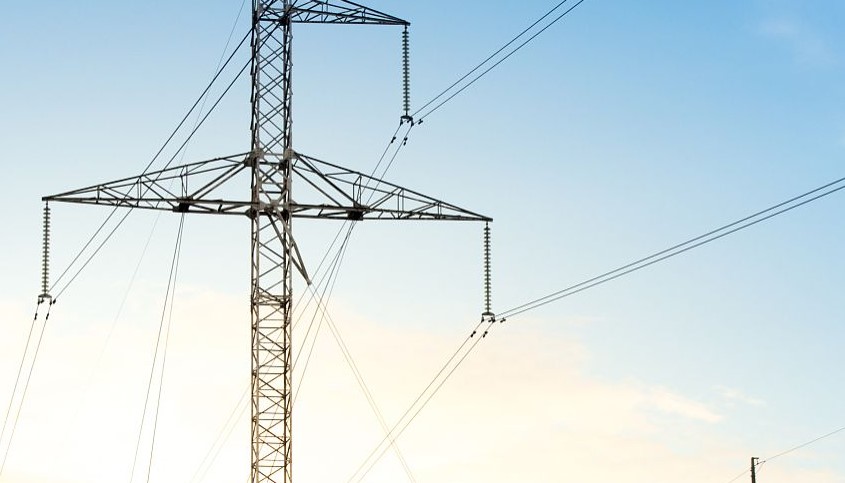
Đường dây trên không được hỗ trợ bởi các phần của tháp truyền tải.
Cột điện được sử dụng cho đường dây có điện thế cao hơn.
Và cột gỗ hoặc bê tông thường được sử dụng cho đường dây có độ căng thấp hơn.
Điều này là do các đường dây có độ căng cao hơn (đường dây căng cao nhất) phải được lắp đặt ở độ cao lớn, vì họ yêu cầu khoảng trống an toàn lớn hơn.
Chỉ có cột điện mới có thể mang được những dây điện nặng hàng chục tấn.
Những gì bạn nhìn thấy dọc đường ở vùng ngoại ô thường là các tháp truyền tải.
Về các loại tháp, có những tòa tháp đầu mèo, tháp ly rượu, tháp hình cổng, Tháp hình chữ V, vân vân.
Điện áp trên đường dây truyền tải trên không
Điện áp định mức là điện áp giữa hai trong ba pha ABC bất kỳ.
Điện áp tiêu chuẩn trong nước của 220 Vôn là điện áp giữa một trong ba pha với đất.
Trong thực tế, đường dây truyền tải điện vào nhà là 380 vôn.
Và ba giai đoạn được tách biệt trước khi vào nhà.
Ví dụ, mỗi pha trong số ba pha ABC được kết nối với từng thiết bị trong tòa nhà.
Đường dây trên mặt đất
Đường dây truyền tải cũng được chia thành dòng điện một chiều và dòng điện xoay chiều (DC và AC).
MỘT AC đi xung quanh bao gồm các giai đoạn A, B và C.
Đỉnh tháp truyền tải là đường dây thu lôi, còn được gọi là dây nối đất trên không.
Đường dây nằm ở khu vực có nhiều bão hoặc điện áp cao có hai đường dây chống sét.
Đường dây ít bão hơn hoặc điện áp thấp chỉ được sử dụng một đường dây chống sét.
Dây sét được nối vào các cột để hướng dòng sét xuống đất.
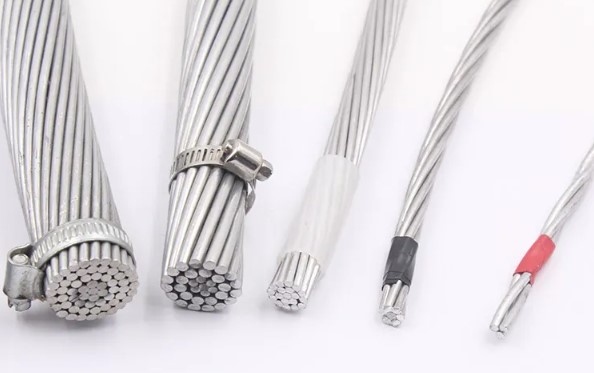
Đường dây truyền tải trên không
Bên dưới đường dây sét là đường dây truyền tải.
Số lượng dây đều là bội số của 3. Đường dây đơn gồm có 3 dây điện, đường dây hai mạch chứa 6 dây điện, và đường dây bốn mạch chứa 12 dây điện.
Trong mỗi mạch có ba dây cho mỗi pha trong ba pha A, B và C.
Lý do tại sao có một số mạch trong tháp chủ yếu là do việc xem xét công suất truyền tải và diện tích. Chính vì vậy các khái niệm về “chiều dài dòng” Và “chiều dài mạch” cũng đã được phát triển.
Đối với đường dây hai mạch, chiều dài mạch gấp đôi chiều dài đường dây, v.v..
Trong trường hợp có mức điện áp khác nhau, Điện áp dây dẫn phía trên cao hơn dây dẫn phía dưới.
Điều này là do điện áp càng cao, khoảng cách an toàn cần thiết tới mặt đất càng lớn.
Đường dây sét được phân biệt rõ ràng với đường dây truyền tải.
Cái trước nằm ngay trên đỉnh tháp, trong khi cái sau phải được treo lên khỏi tháp bằng chất cách điện.
Nếu không có chất cách điện, dây dẫn bị chập trực tiếp vào tháp.
Chất cách điện là phụ kiện cho dây dẫn trên không (dây điện trên không) dùng để hỗ trợ và cố định dây dẫn.
Nó có thể đảm bảo khoảng cách và cách điện thích hợp giữa các dây dẫn hoặc giữa dây dẫn và mặt đất.
Chất cách điện phải có đủ độ bền cách điện và khả năng chống ẩm.
Chúng tôi hy vọng bài viết này sẽ giúp bạn hiểu đúng về đường dây trên không và tháp điện.
Chúng tôi cung cấp chất lượng cao và giá thấp của nhiều loại đường dây trên không và các phụ kiện của chúng.
Hãy liên hệ với chúng tôi nếu bạn cần chúng.